
March 4, 2026
How to Plan a Food and Wine Trip to Europe (Step-by-Step Guide to European Wine Travel)
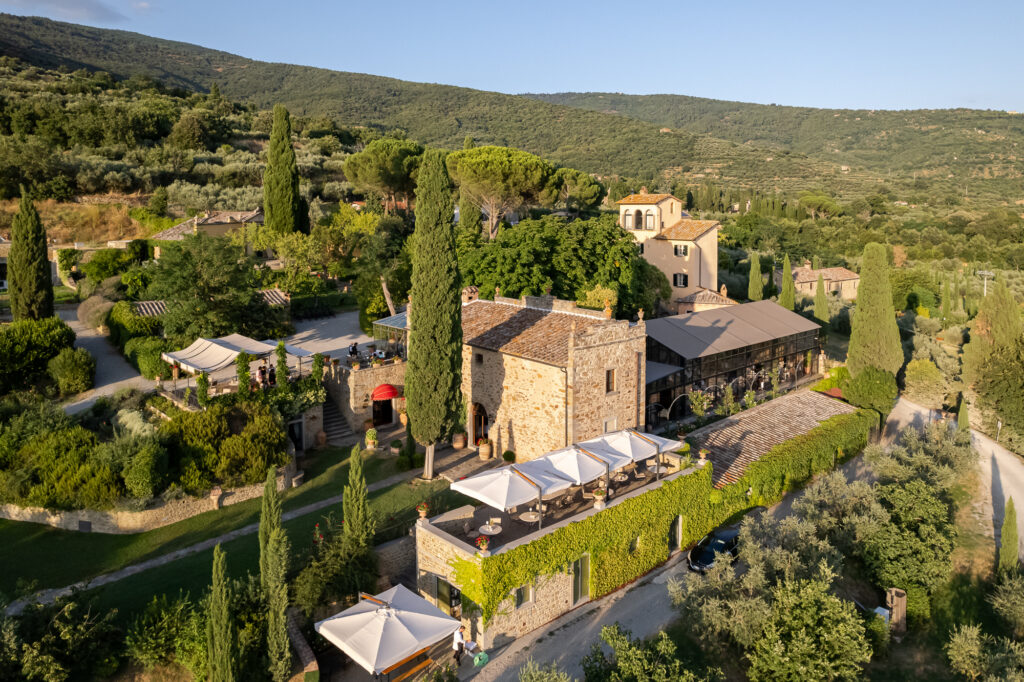
Planning a food and wine trip to Europe is one of the most rewarding ways to experience the continent, but it requires more strategy than simply booking a few vineyard tours.
Europe’s most celebrated wine regions, from Tuscany and Bordeaux to Rioja and the Douro Valley, are deeply tied to local culture, seasonal rhythms, and centuries of culinary tradition. The difference between a good trip and an extraordinary one comes down to understanding where to go, when to visit, how to structure your itinerary, and which experiences are truly worth prioritizing.
In this step-by-step guide, you’ll learn how to plan a European food and wine trip that feels immersive rather than rushed. This includes how to choose the right wine region, when to visit, how many wineries to book per day, whether to hire a driver, and where to stay for the most authentic experience.
If your goal is slower, more meaningful travel built around vineyard visits, regional cuisine, and locally owned hotels, this guide will walk you through exactly how to do it.
Why Plan a Food and Wine Trip to Europe?
Cultural Immersion Through European Food and Wine
Understanding the food that grows in a region, meeting the farmers and agricultural workers in village marketplaces, and talking to vineyard managers in Europe’s wine regions will leave you with a far deeper understanding of a place than any guidebook ever could.
The culture of a destination is proudly expressed through the experiences locals have when gathering with friends and family over their favorite food and wine. You can feel the history in the famous dishes of a region. One of my favorites is bistecca fiorentina in northern Tuscany, paired with a beautiful Super Tuscan or Chianti Classico.
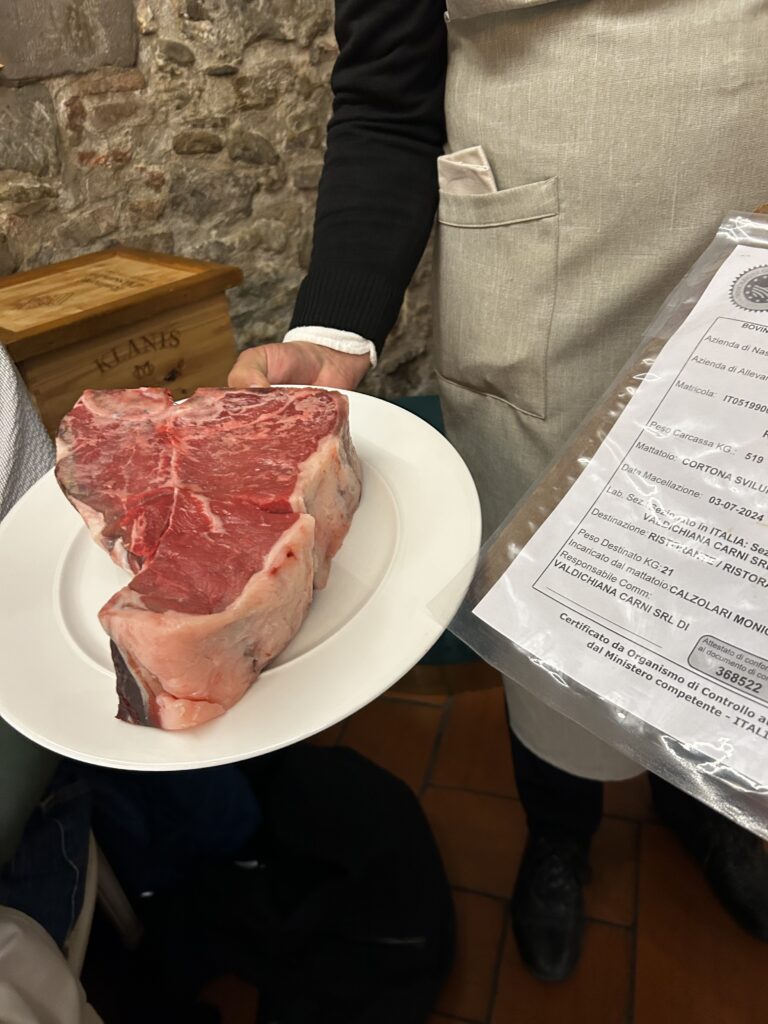
Slower, More Meaningful Travel Experiences
Immersing yourself in a village through a walking food tour, slowing down to understand the history of a vineyard, and lingering over an unhurried lunch are the very best parts of traveling with food and wine as your compass.
While you’re in Italy, live like an Italian. Have the aperitivo before dinner, settle into the village square, and simply watch local life unfold around you. When you’re in Champagne, rent an e-bike and wind your way through breathtaking vineyards, cycling from one small village to the next.
Diversity Across Wine Regions
You could spend an entire lifetime focusing only on European wine regions and still have a vastly different experience on each trip. Even regions that sit close to one another can feel worlds apart, shaped by geography, centuries of history, different ruling governments, language, and so much more. You’ll never run out of things to discover, eat, and drink.
Seasonal Food and Wine Experiences in Europe
Even returning to the same region two or three times, you’ll find an entirely different experience waiting for you. Provence in summer is nothing like Provence in winter! Summer brings dazzling sunshine, warm temperatures, and rosé by the beach, while winter offers Christmas markets, mulled wine, and the kind of warming, soul-satisfying food that makes the chill worthwhile.
Step 1: Choose the Right European Wine Region
If you’ve never traveled specifically to a wine region before, the sheer number of options can feel overwhelming at first. From Portugal to Hungary, the choices are genuinely endless, and that’s part of the magic.
A great starting point is to reflect on the wines you already love. If Châteauneuf-du-Pape is a regular pour at your dinner table, the Southern Rhône Valley is a natural place to begin. Conversely, if you love discovering wines you can’t find back home, consider the wine regions of Germany, where many of the most beautiful bottles are never exported and can only be found right where they’re produced.
Best Wine Regions for First-Time Visitors
Tuscany, Italy
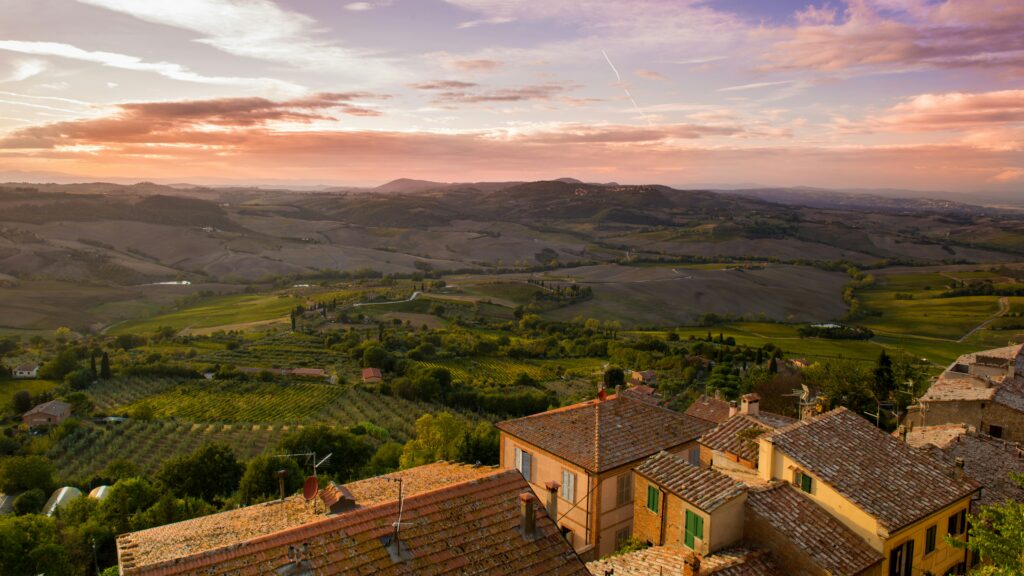
One of the most celebrated wine regions in the world, and for every reason you’d hope. The wine, food, people, and landscapes are extraordinary. From the moment you arrive, the scenery feels almost surreal: a patchwork of vineyards lined with cypress trees, silver-green olive groves, and historic stone villas scattered across the rolling hills you’ve seen in films and dreamed about for years.
For more information, see my blog Best Family-Run Wineries in Tuscany for an Authentic Vineyard Experience.
Bordeaux, France
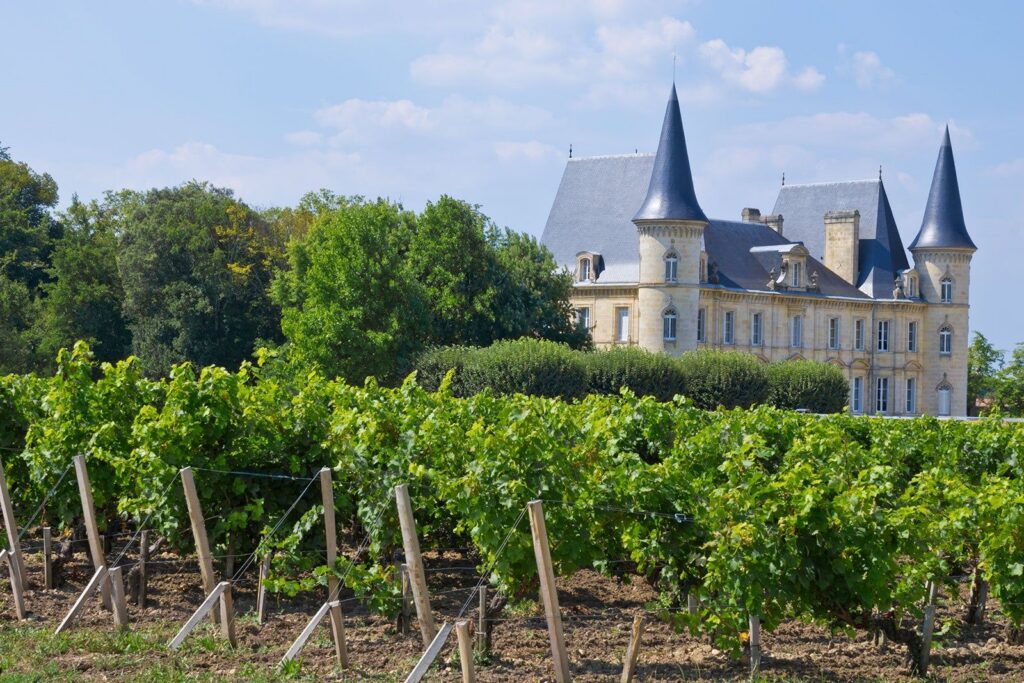
This iconic region on the west coast of France is home to some of the world’s most age-worthy wines, crafted from Cabernet Sauvignon, Merlot, and Cabernet Franc. The best vintages from the top châteaux can age beautifully for 50 years or more, making each bottle a small piece of living history.
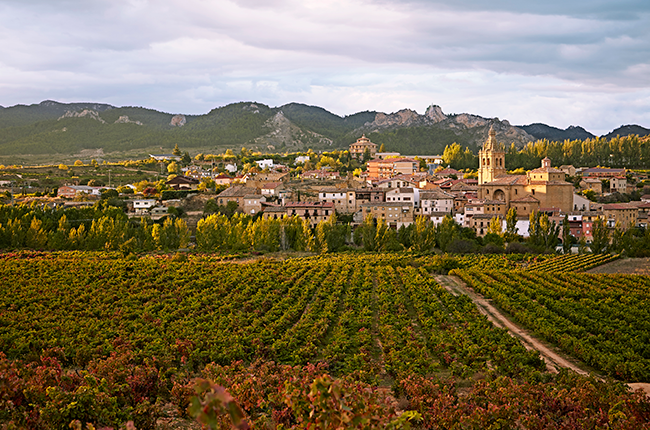
Rioja, Spain
Famous for its full-bodied reds made primarily from Tempranillo, Rioja is also home to a much broader range of wines than most people realize. Many of these wines never make it to the US market. Visiting Rioja opens the door to small, family-run producers whose bottles you can’t find anywhere else, and those discoveries are often the most memorable of the trip.
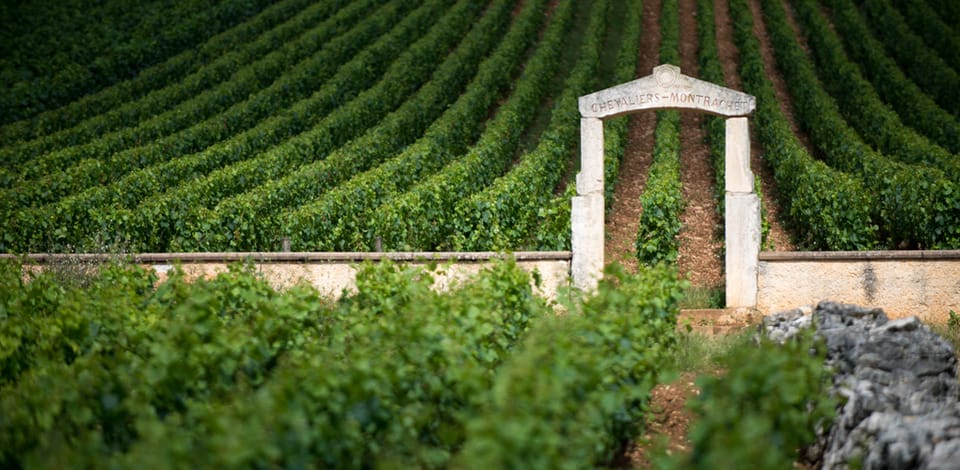
Burgundy, France
Burgundy produces some of the most coveted wines in the world, often from grapes hand-harvested from a single, specific vineyard. Visiting in person allows you to truly understand the extraordinary level of care and precision that goes into each bottle, and why wines from neighboring plots can taste so remarkably different.
There’s so much to know about French wine laws. See Decoding French Wine Classification Systems for more information.
Underrated European Wine Regions to Visit
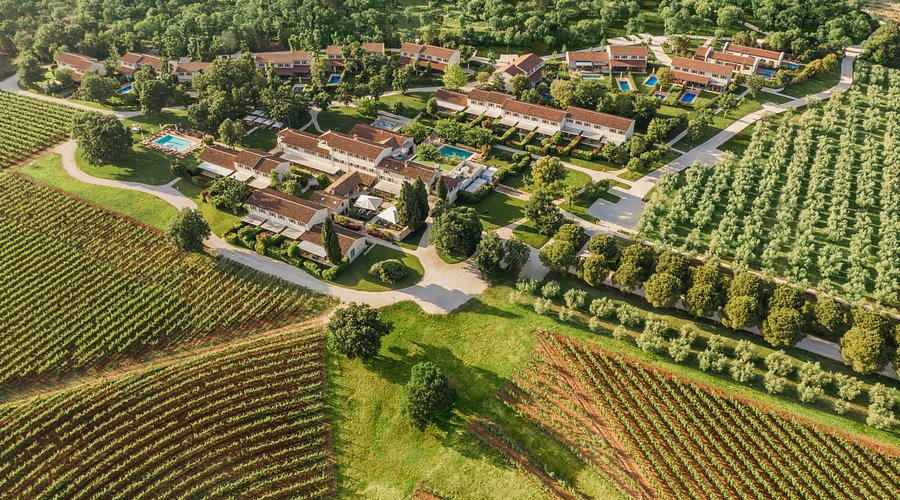
Croatia
Croatia has multiple wine regions stretching from north to south, and you could spend weeks exploring this wonderfully underrated destination. The northern region is particularly known for its truffle season, where you can walk alongside a local truffle hunter and his dog searching the forest floor for these prized culinary gems. The people of Croatia are genuinely warm and welcoming, and visiting their small wineries feels less like a tour and more like being invited into someone’s home.
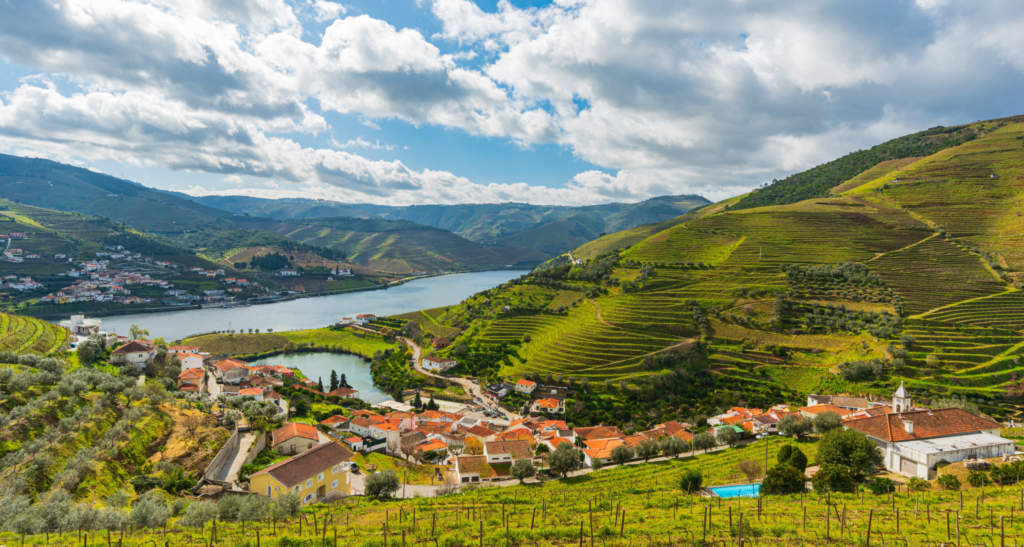
Douro Valley, Portugal
If you’re looking for a beautiful, quiet, and utterly idyllic countryside escape, the Douro Valley should be at the top of your list. You can take a river cruise through the valley or settle into one stunning location and take day trips to multiple wineries. There are so many options and each one is worth your time — you genuinely cannot go wrong.
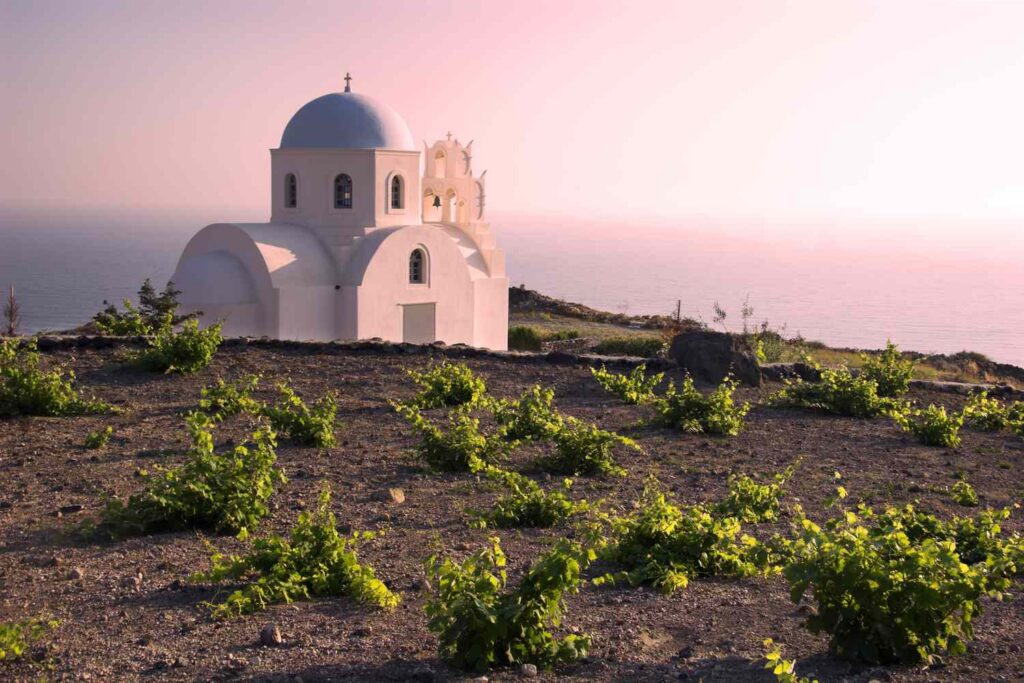
Santorini, Greece
Did you know that wine is produced on this small Greek island? Almost entirely made from the Assyrtiko grape, the wines of Santorini carry the unmistakable character of their volcanic origins. Santorini sits on a large, inactive volcano, so the vines are planted directly in mineral-rich volcanic soil. This gives the wines their signature freshness, vibrant acidity, and beautiful minerality. Assyrtiko is perfectly paired with a private catamaran cruise around the island.
Step 2: Best Time to Visit Europe for Food and Wine
Harvest Season in European Wine Regions (September – October)
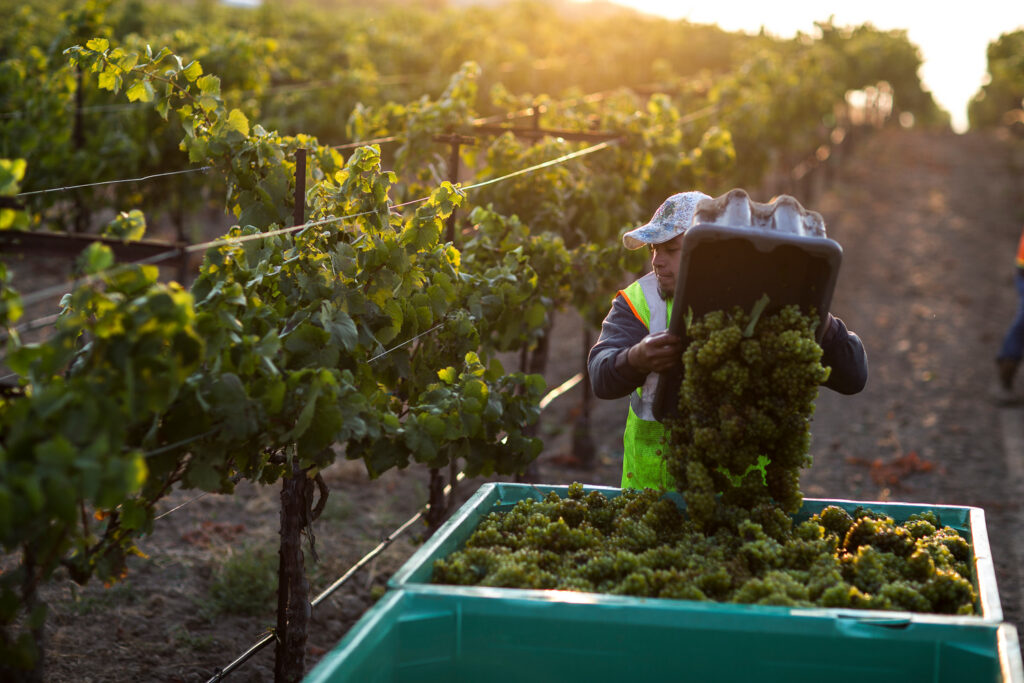
Harvest season in wine regions is absolutely beautiful! Fall colors, full clusters of grapes hanging on the vine, and gorgeous weather. However, one thing worth knowing is that many of the smaller, more artisan producers close their wineries during harvest to focus entirely on the work at hand. The larger estates will almost always remain open, but missing those intimate, family-run experiences is a shame. If visiting small producers is a priority, plan accordingly.
Spring Truffle Season in Europe
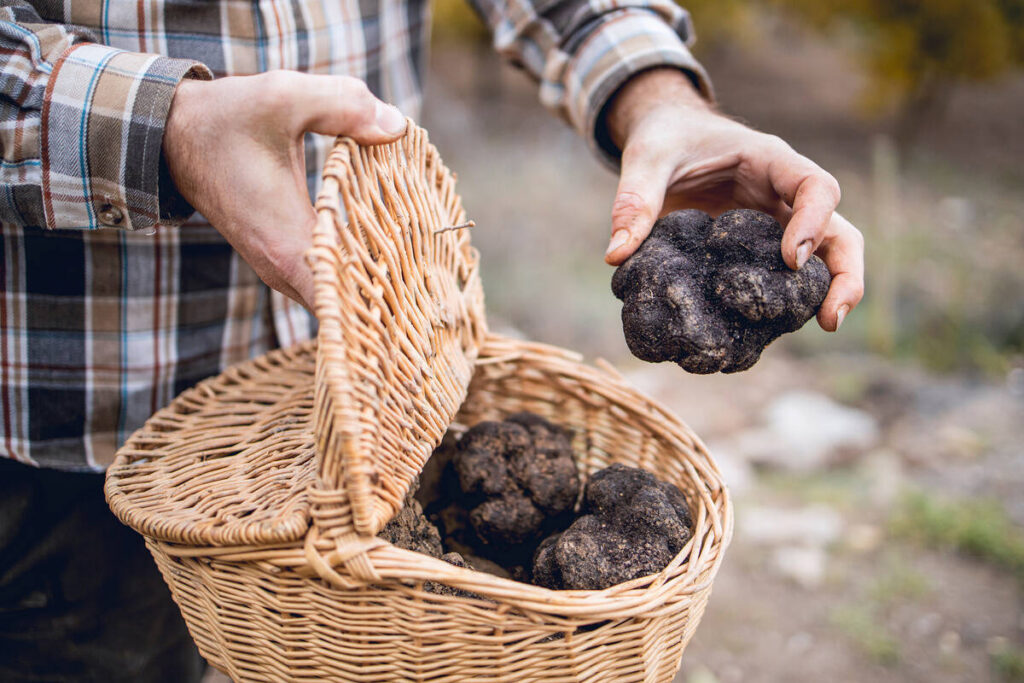
If truffles are your weakness (and honestly, who could blame you) plan your European trip around spring. Walking with a local truffle hunter and their dogs through the forest, then bringing your finds back to the hotel to be shaved over evening pasta, is the kind of experience that makes a trip completely unforgettable.
European Christmas Markets and Winter Wine
Almost everyone I speak with has dreamed of seeing the European Christmas markets, whether in Germany, France, Spain, or almost anywhere else across the region. Wandering through historic village centers draped in lights, breathing in the scent of roasting chestnuts, browsing handmade gifts from local artisans. It’s everything you imagine and more. Warm your hands around a cup of mulled wine or rich hot chocolate, then slip back to your hotel in the afternoon to rest before heading out for the Christmas tree lighting.
Why Shoulder Season is Ideal for Wine Travel
Traveling in the shoulder season is still somewhat of a well-kept secret, though it’s becoming more widely appreciated. You may encounter a bit more rain or overcast days than you would at peak season, but the payoff is remarkable: more authentic experiences, fewer crowds, and the chance to truly connect with a place rather than share it with the masses.
One important note: many boutique hotels and small properties in Europe operate seasonally. If you have your eye on a specific property, check their closure dates before falling in love with it.
Step 3: Plan Your Itinerary Around Culinary Experiences
Wine Tastings and Vineyard Visits in Europe
If your primary goal is visiting vineyards, sitting for vertical or library tastings, and ending each day with a wine-paired dinner, think carefully about where you base yourself. Wineries in Europe are typically spread across wide stretches of countryside, meaning the drive from one to the next can be quite long, often down winding dirt roads or along hillsides. Your home base matters more than you might think.
Cooking Classes and Market Tours
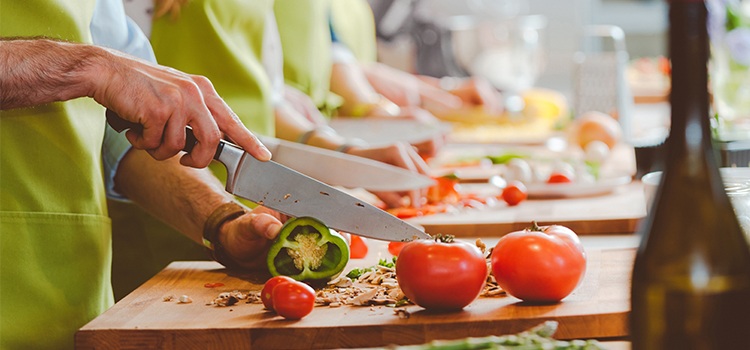
Some of the most memorable experiences I plan for clients aren’t at wineries at all! They’re in a village kitchen learning to make fresh pasta, or wandering a local market at sunrise with a chef who knows exactly which vendor has the best burrata that morning. These moments give you a window into daily life that no restaurant reservation ever could.
Regional Food Festivals in Europe
From olive oil festivals in Umbria to seafood celebrations along the Adriatic coast, Europe’s regional food festivals are a wonderful way to plant yourself right in the heart of local culture. If your travel dates align with a festival in your chosen region, it’s worth building your itinerary around it.
Michelin-Star Restaurants vs. Local Trattorias
There is genuine magic in both. A Michelin-starred dinner in a centuries-old cellar is an experience you’ll carry with you for years. But so is a long, convivial lunch at a tiny trattoria where the grandmother in the kitchen has been making the same ragù for decades and it is extraordinary. The most beautifully balanced itineraries leave room for both.
Step 4: How Many Wine Regions Should You Visit in One Trip?
One Region vs. Multiple Regions
This really depends on which region you’re starting with and how much time you have. While visiting more than one region is entirely possible, unless you’re spending over 10 days in Europe, I almost always recommend focusing your time in a single region. Slow, meaningful travel is almost always more rewarding than trying to cover too much ground.
Travel Logistics Between European Wine Regions
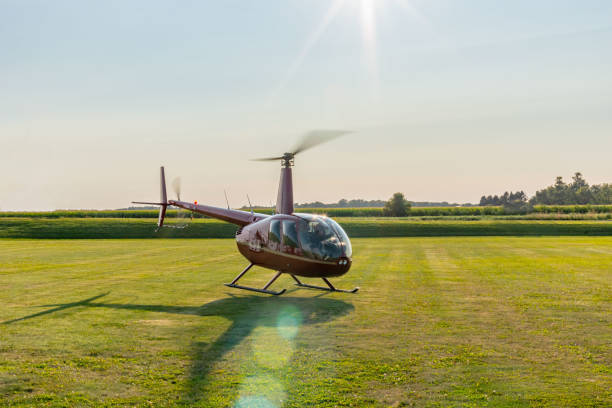
Train, rental car, hired driver, or flight? There is a lot to consider when moving from one region to another. In areas without major highways, you’ll be navigating small rural roads, which can be disorienting if you’re not used to them. If your route crosses one of Europe’s many mountain ranges, you may be looking at a long, winding drive that takes far more time than the map suggests. Occasionally, a short flight is the most practical solution, and if a helicopter transfer fits your travel style, it can make the journey between regions an experience in itself.
Driving Times in Europe
Distances that look manageable on a map can involve surprisingly long journey times in practice. My general recommendation is to set aside a full day any time you’re moving from one region to another. You can absolutely build in stops along the way. It could be a village you’ve been curious about, a scenic overlook, or a long lunch somewhere lovely. Mentally, plan to give that day to the journey.
Should You Hire a Driver for Wine Tasting in Europe?

With very few exceptions, I recommend hiring a driver when traveling through European wine regions. Even for those who genuinely enjoy driving, there is something profoundly relaxing about being collected from your hotel and simply settling in for the ride. No missed turns, no confusing signage, no stress about toll booths. Most importantly, no one is worrying about driving after a beautiful afternoon of wine tastings.
If you do prefer renting your own vehicle, please take the time to understand the specific requirements of the country you’re visiting. Some require an international driver’s license; others have emissions zone stickers with steep fines if your rental doesn’t have one. What feels like freedom can quickly become a logistical headache if you haven’t done your homework.
Step 5: Booking Wineries and Culinary Experiences
Do You Need Winery Reservations in Europe?
Yes, always. Wineries and vineyards in Europe almost universally require reservations. You might occasionally get lucky as a walk-in, but I’ve seen firsthand how genuinely disappointing it is to show up at a winery you’ve been looking forward to and not be able to get in. Even when walk-ins are technically accepted, you may have missed the English-language tour of the day.
Reservation instructions are typically on the winery’s website. Some allow online booking, but many require a direct email to arrange a time. Plan ahead.
Private vs. Group Wine Tastings
Both have their charms. Some of my favorite wine conversations have happened in small group tastings, connecting with fellow travelers over a shared love of a particular grape or vintage. On the other hand, private experiences can open doors that group tours simply cannot, including the opportunity to taste wine still fermenting directly from the barrel. This is a genuinely personal decision, and worth thinking about before you book.
It’s also worth noting that private tastings aren’t always available, and at some wineries they can be quite costly. If you’re traveling solo, certain estates may not offer a private option at all.
Visiting Small, Family-Run European Wineries
Each wine region in Europe is home to hundreds of producers. Many you’ll recognize from bottles on shelves back home, and many more who aren’t exported to the US at all. While there’s something special about visiting estates whose wines you already love, it can be equally thrilling to discover a small, family-run producer whose bottles exist only in the region where they’re made.
These smaller estates are also often the best source for insider recommendations. They know the local restaurant nobody talks about, the neighboring winemaker doing something extraordinary, the market that only happens on Thursdays. When someone has spent their entire life in a place, their knowledge is invaluable.
Why Local Relationships Matter
Sometimes the most exceptional producers aren’t open to the public. You find their website, read about their wines, get excited about a visit, and then discover they don’t offer tours or tastings. This is exactly where relationships make all the difference. A door that was closed can open when someone you trust makes a personal introduction. It’s one of the most meaningful ways a well-connected travel advisor can add value to your trip.
Where to Stay on a European Food and Wine Trip
Staying in a Village or Town
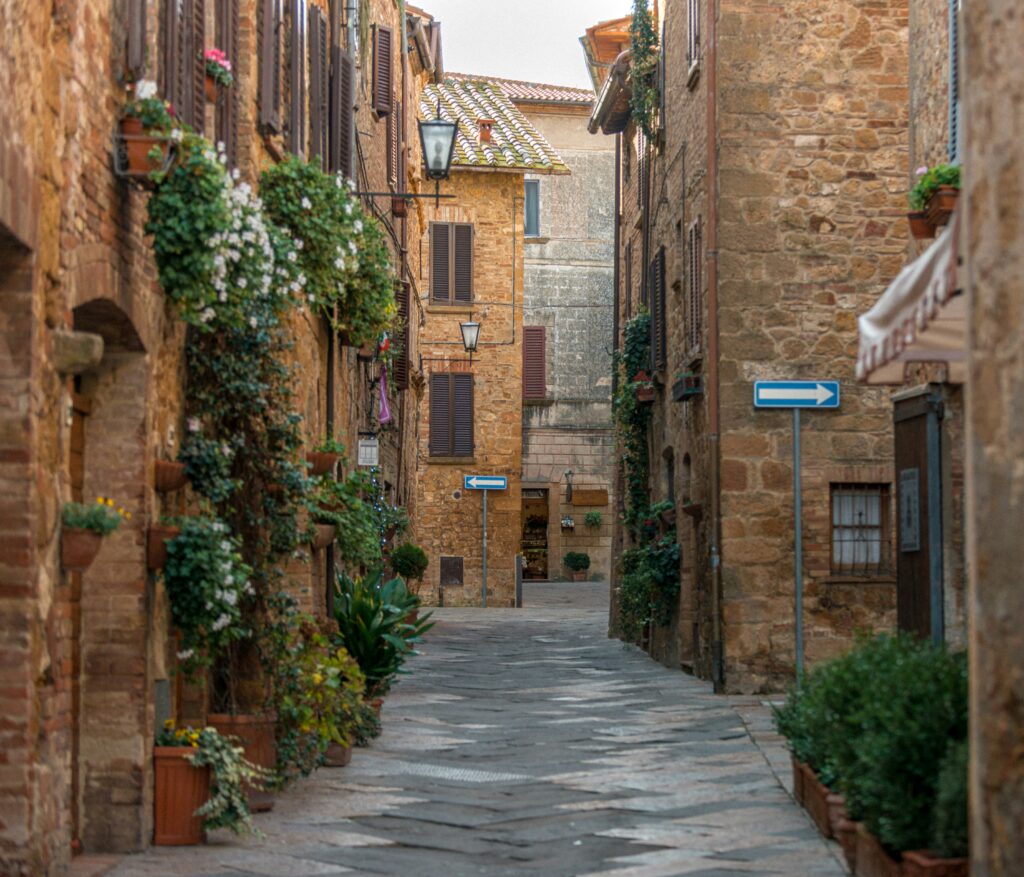
Maps of European wine regions are dotted with small villages and hilltop towns, many of which are home to at least one or two beautiful boutique hotels. Staying in a village is ideal if you want to spend your days exploring vineyards and your evenings wandering different restaurants and settling into a sidewalk café before dinner. Watching the light change over the village square as the day winds down is one of travel’s simple, perfect pleasures.
Vineyard Hotels and Wine Estate Villas
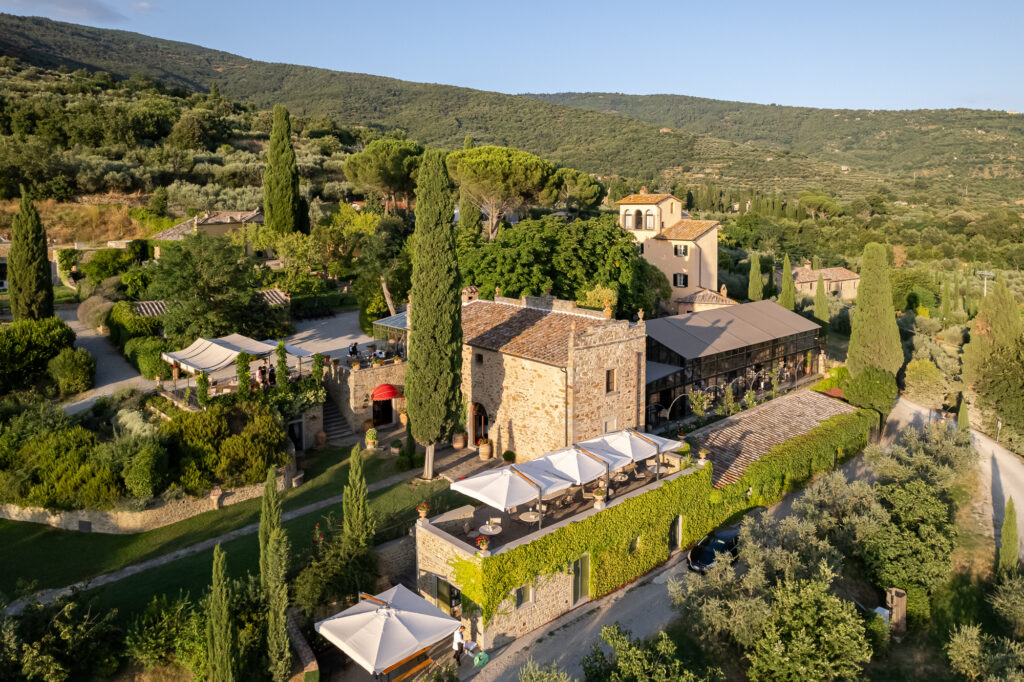
If rest and restoration are equally important to you, consider staying at a vineyard hotel or villa. In Europe, these are often historic homes converted into intimate boutique hotels, with the surrounding vines still very much in operation. You can visit other estates during the day and return to a place that genuinely feels like home. Walk the vineyard, talk with the winemaker, spend a morning at the spa. These properties offer a depth of experience that a town hotel simply can’t replicate.
Regardless of where you stay, I always recommend choosing an independent hotel whenever possible, particularly when you’re in the heart of a wine region. The right property will offer you insider access, genuine personalized attention, and relationships in the local community that can transform a good trip into an exceptional one. Your accommodation is not just a place to sleep, it’s a cornerstone of the whole experience.
How to Budget for a Food and Wine Trip to Europe
Cost of Wine Tastings in Europe
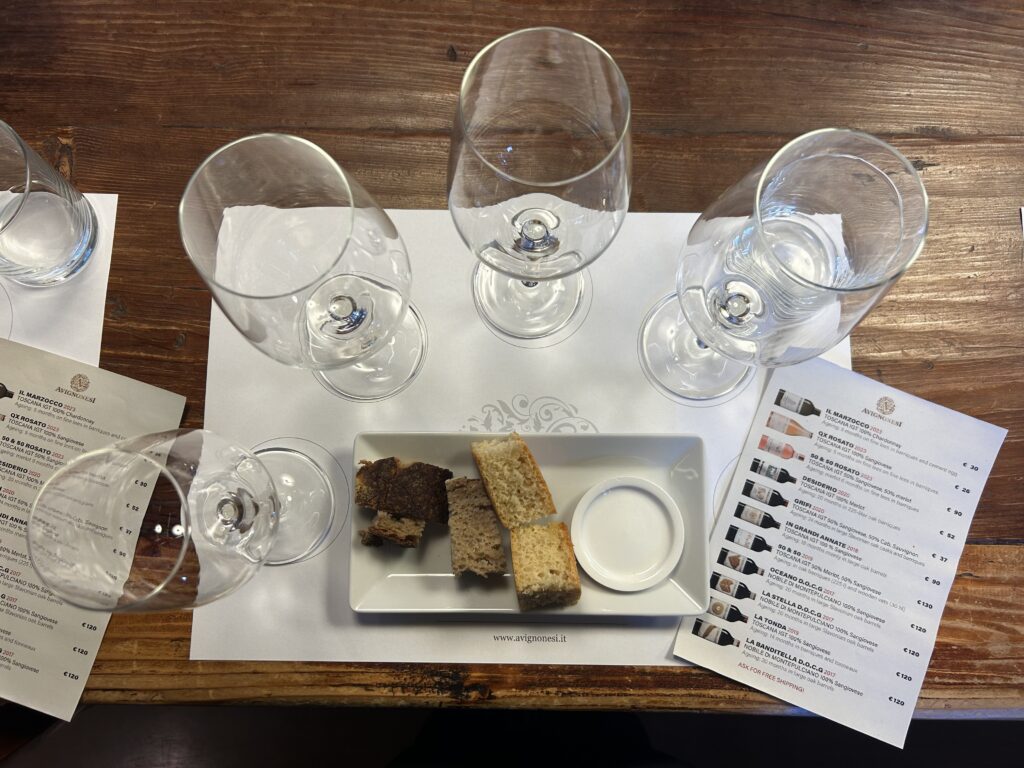
Tasting experiences vary widely in price, format, and depth. Some producers offer beautifully curated, intimate sessions that include small bites, extended time with knowledgeable staff, and the opportunity to work through a broad range of wines. Others offer a simpler experience that is no less educational. Budget approximately $40 to $150 per person for each tasting.
Transportation Costs in Wine Regions
If you choose to rent a car, expect to pay at least $200 per day, and more if you’re returning the vehicle to a different location. Hiring a private driver for the day typically starts around $800, but that investment also means you can be completely present at each tasting, without a single thought given to navigating country roads afterward.
Dining Costs: Michelin vs. Local Restaurants
I always recommend making dinner reservations, regardless of where you’re staying. In smaller villages with limited options, the best tables fill quickly. In larger towns with more variety, a reservation ensures you’re dining at the places you’re most excited about rather than wherever happens to have availability.
Sit-down lunches in the European countryside typically start around $20 per person. Dinners range considerably. A gastronomic tasting menu at a Michelin-starred restaurant will be a meaningful investment, while a neighborhood trattoria with an incredible hand-rolled pasta will be far more accessible. Both are absolutely worth doing.
Where to Invest vs. Where to Save
This is deeply personal and entirely dependent on what matters most to you. If having a wine pairing with dinner is a non-negotiable part of being in wine country, build that into your budget and enjoy it fully. If a private driver each day gives you the most freedom and peace of mind, that may be your priority.
What I will say is this: your hotel deserves careful consideration. The right property in the right location, staffed by people who genuinely know the region, will add immeasurably more to your trip than a few hotel points ever could. Save those points for a domestic weekend getaway. For a trip immersed in one of the world’s great wine regions, the independent hotel with deep community roots is worth every penny.
Common Mistakes When Planning a European Wine Trip
- Trying to visit too many wineries in a single day. Two tastings is the right number. Build in a long, leisurely lunch in between and give yourself time to absorb and enjoy the experience.
- Driving after drinking. This is never acceptable, full stop. Regardless of what you may hear about cultural norms in certain areas, it is false, and it is never worth it. Hire a driver.
- Prioritizing hotel points over location, access, and service. Your hotel is not just a place to sleep on a trip like this. Reserve your points for a domestic airport hotel before a flight. In a wine region, stay somewhere with genuine soul and local knowledge.
- Skipping reservations for wineries and dinner. Particularly during peak travel times, walk-in availability is either nonexistent or disappointing. Book ahead, every time.
- Overlooking accessibility considerations. The most spectacular vineyards are often planted on steep slopes, and many of Europe’s most beautiful historic villages sit on those very hillsides. If anyone in your group has limited mobility or other physical considerations, it’s essential to research the terrain and plan accordingly. Many of these villages predate modern accessibility standards by centuries.
Sample 10-Day Italy Food and Wine Itinerary
Venice, Tuscany, and Florence make for 10 days of food, wine, history and culture. For more information on where to go in Tuscany, see Best Family-Run Wineries in Tuscany for an Authentic Vineyard Experience
Day 1: Arrival & Venice Food Experience
After your overnight flight from the US, you’ll land in Venice and take a boat taxi from the airport directly to your hotel. This is your first reminder that this city operates entirely on its own terms. Check in, freshen up, and resist the urge to nap.
One of my favorite ways to help clients settle in and beat jet lag is booking a walking food tour on that first afternoon. It’s the perfect way to get your bearings in a new city: a local guide introduces you to the neighborhood, points out places worth returning to, and keeps you happily moving until a reasonable hour. A relaxed dinner, an early night, and you’ll wake up feeling remarkably reset.
Day 2: Explore Venice by Gondola
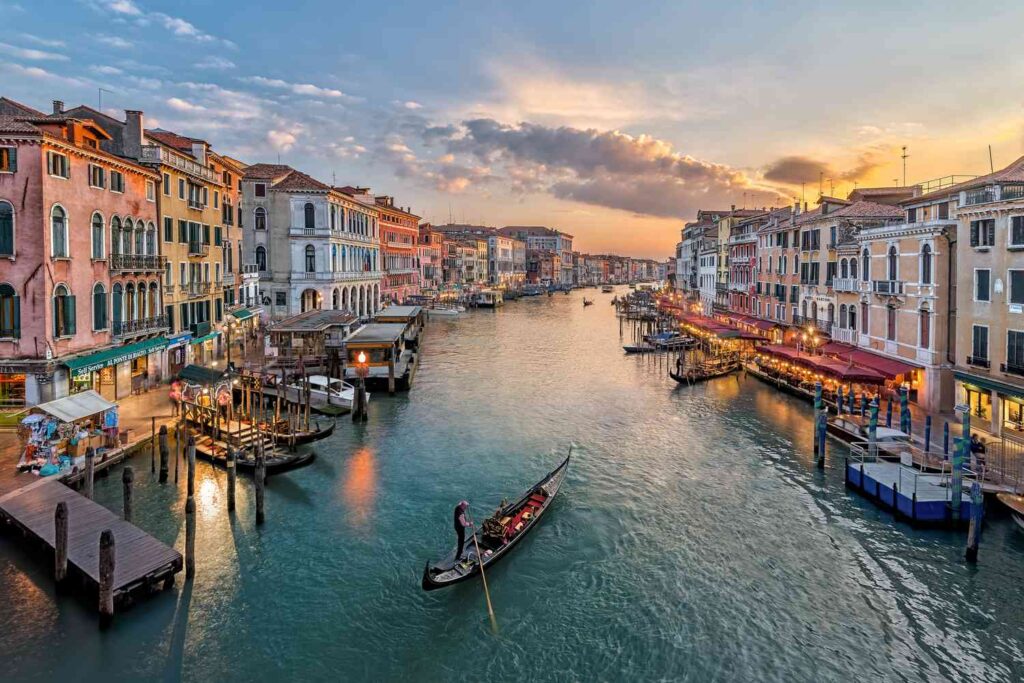
Today, take to the canals by gondola. A knowledgeable guide will bring you through the city’s intricate waterways, sharing stories about how Venice is navigating the pressures of climate change and what the local community is doing to protect this irreplaceable place. It’s a perspective that makes every subsequent view of the city feel more meaningful.
Spend the rest of the day at your own pace either in a museum, with a glass of wine overlooking a canal, or simply wandering wherever looks beautiful.
Day 3: Murano Glass Blowing
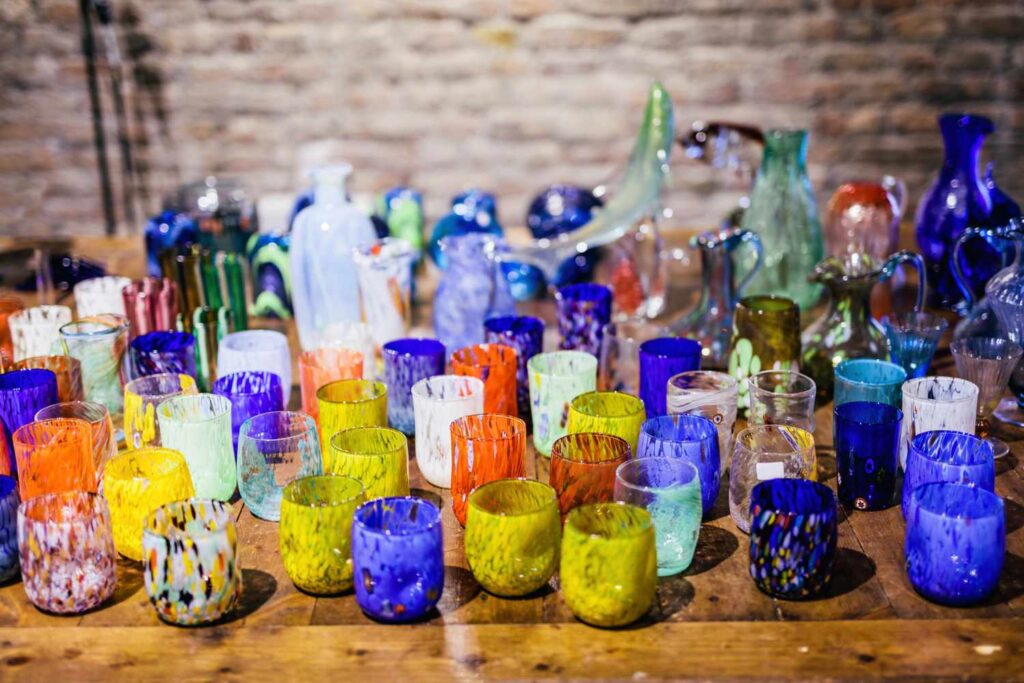
Take a leisurely morning, then board a private boat to the island of Murano for a tour of one of its legendary glass-blowing facilities. You’ll learn how glass production, trade, and export shaped the history and economy of Venice across centuries, and watch a master craftsman at work. The demonstration is mesmerizing, and the history behind it, including the role of small glass beads as a form of currency across the Mediterranean, is genuinely fascinating.
Day 4: Travel Day – Venice to Tuscany via Emilia-Romagna
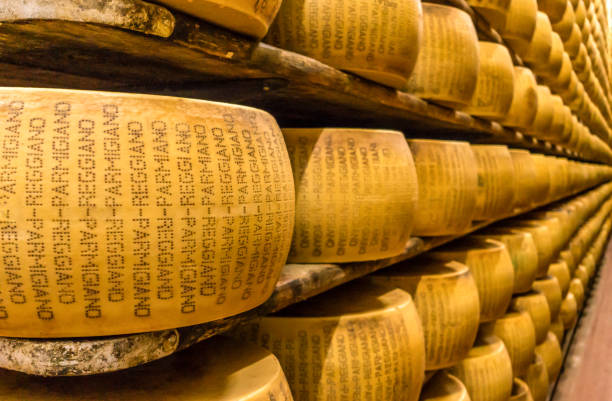
Your driver will collect you before lunch, and you’ll begin the journey south toward Tuscany. Along the way, stop in Emilia-Romagna for a private tour of a Parmigiano-Reggiano PDO dairy, where they produce a cheese with a history stretching back ten centuries. Continue into the lowlands of Parma to visit a producer of Culatello di Zibello PDO, one of the world’s most artisanal cured meats, produced by only a small number of authorized makers in an extraordinary humid microclimate. You’ll taste it all.
As the afternoon light softens, you’ll arrive in the rolling hills of Tuscany, passing cypress-lined roads and vine-covered hillsides, and settle into a family-owned vineyard hotel in the heart of the region. Unpack, breathe it all in, and have a very well-earned glass of wine.
Day 5: Life on the Vineyard, Tuscany Wine Experiences
Today is entirely unhurried. Spend time walking the estate’s vineyards, talking with the winemaker about the season, and tasting what’s being produced right on the property. There is also an olive grove on the estate and if the timing is right, you may be able to take part in the harvest and pressing. If not, you’ll still have the chance to taste the estate’s olive oils and understand what makes them special.
Day 6: Montepulciano and Vino Nobile
Today is dedicated to understanding the nuances of Vino Nobile di Montepulciano. Your driver will take you to a first tasting beginning at 10am, followed by lunch in the beautiful hilltop town of Montepulciano itself. Wander the streets, browse the artisan shops, and take in the sweeping views of the surrounding vineyards. A second afternoon tasting at a different estate will give you a wonderful sense of how individual winemaking decisions shape the final wine. Your driver returns you to the hotel in time to watch the Tuscan sunset from the terrace.
Day 7: Montalcino and Brunello
Montalcino calls today. Your morning tasting will introduce you to the difference between Rosso di Montalcino and the more serious, more age-worthy Brunello di Montalcino, and you’ll see the cellars where the wine is quietly aging and taste what you’ve just seen. After a slow lunch in town, a second estate will deepen your understanding of this remarkable appellation.
On the drive back to the hotel, stop in the beautiful walled city of Siena, one of the most beloved in all of Tuscany, before returning for a quiet evening.
Day 8: Rest, Ride, or Cook
After two days of immersive wine experiences, today is yours to shape however feels right. Borrow bicycles from the property and explore the farm at your own pace, or spend a morning in the kitchen taking an Italian cooking class with the estate’s chef. It’s your last night here, make sure to settle in and savor it.
Day 9: Chianti Classico and Florence
After checking out, head north with your driver into the Chianti Classico zone. These wines are not to be missed on any Tuscan itinerary. I can almost guarantee you’ll return home having joined at least one wine club from this stretch of the region.
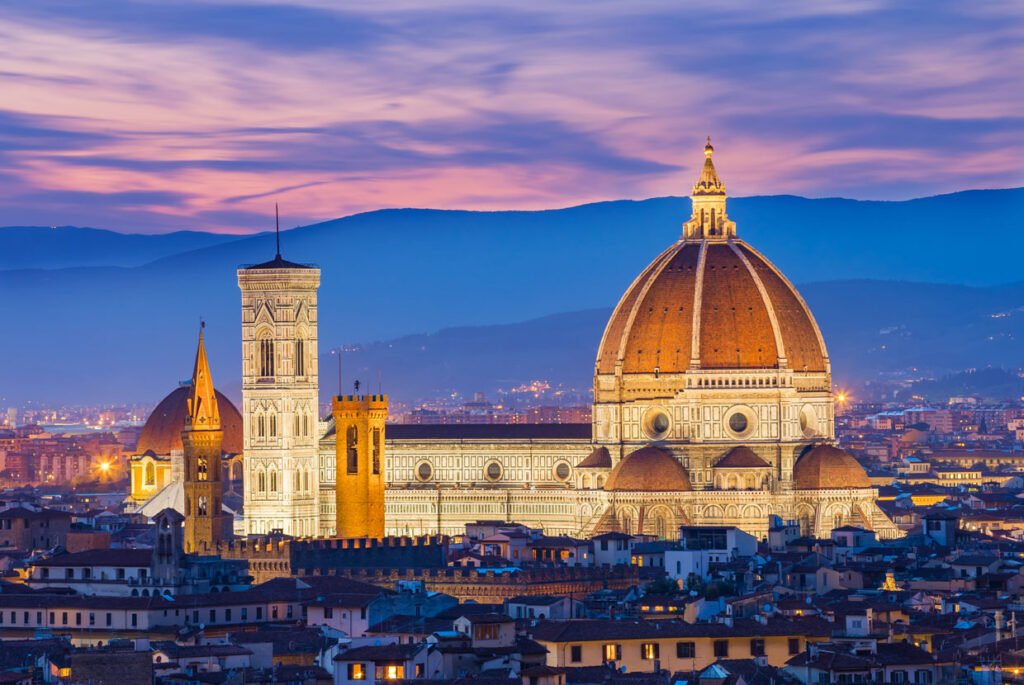
In the afternoon, arrive in Florence. This is the city of the famous Florentine Wine Windows, small stone openings in historic buildings originally used to sell wine directly to the street. A handful of which have been beautifully revived today, maybe you could even find one! While you’re here, see the Duomo, stroll the Ponte Vecchio, and if you have the energy, climb the hill to Piazza Michelangelo for a panoramic view over the city. Check into your Florence hotel for your last night in Italy.
Day 10: Departure from Florence
Wake up at your leisure, enjoy one final Italian breakfast, and let your driver take you to the airport for your flight home. Ten days very well spent.
Should You Work with a European Wine Travel Advisor?
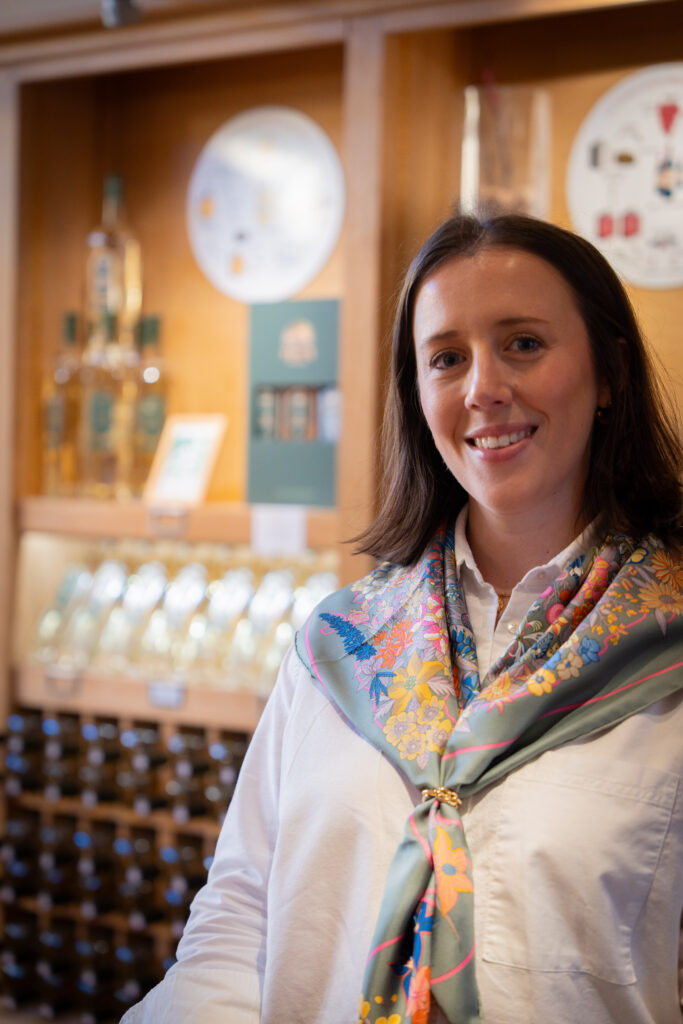
Planning a food and wine-focused trip to Europe is exciting and layered. Securing winery reservations, choosing the right village to base yourself in, coordinating drivers, accessing producers who don’t publicly offer tastings, and building an itinerary that flows beautifully takes time, experience, and trusted local relationships.
A European wine travel advisor doesn’t just organize logistics. They provide access. Access to the vineyards, the tables, the properties, and the right introductions. The difference between a trip that feels transactional and one that feels deeply personal is often found in those details.
If you’re ready to plan a thoughtfully curated journey through Europe’s wine regions — whether Tuscany, Burgundy, Champagne, Rioja, or beyond — I’d love to help you design something truly unforgettable.
You can find more information on my process and working together on my website, or jump in and complete the inquiry form to start working with me!
If you’re not currently planning but would like to follow along I’d love for you to join my weekly newsletter. I send this out each Thursday and discuss interesting travel topics, wine education, and give a little behind-the-scenes look at my business.
Frequently Asked Questions About Planning a Food and Wine Trip to Europe
For the best selection of boutique hotels, private drivers, and winery reservations, begin planning at least 6 to 9 months in advance, especially if you’re traveling during harvest season (September–October) or summer. Smaller, family-run wineries often limit daily visitors, and the most sought-after vineyard hotels book quickly.
The best time depends on the experience you want. Harvest season (September–October) offers beautiful vineyard scenery and lively energy, while spring brings truffle season and fewer crowds. Shoulder seasons (April–June and October–early November) often provide the best balance of pleasant weather, availability, and more authentic experiences.
Yes, reservations are almost always required. Most European wineries do not accept walk-ins, particularly in regions like Tuscany, Bordeaux, Burgundy, and Rioja. Some estates allow online booking, while others require an email request in advance.
Two tastings per day is ideal. This allows you to fully appreciate each experience without feeling rushed. Build in time for a long, relaxed lunch between tastings, and avoid over-scheduling so you can truly absorb the region.
In most European wine regions, hiring a private driver is highly recommended. Rural roads can be narrow and winding, and drinking and driving is never advisable. A driver allows you to relax, enjoy each tasting fully, and move seamlessly between vineyards.
In many countryside regions, yes, unless you hire a private driver. Public transportation rarely reaches small villages or vineyard estates. However, in major cities like Florence or Bordeaux, you typically won’t need a car until you head into wine country.
Costs vary by region and travel style. Wine tastings generally range from $40–$150 per person. Private drivers often start around $800 per day, and boutique vineyard hotels vary widely depending on season and location. Dining can range from casual trattorias to Michelin-starred tasting menus.
If you have fewer than 10 days, focusing on one region typically creates a more immersive and relaxed experience. Slow travel allows you to understand the nuances of the wines, cuisine, and culture rather than rushing between destinations.

My clients receive comprehensive destination guides, but I believe great travel inspiration should be shared with everyone. Here you'll find insider tips from my travels, wine region discoveries, and destination highlights that might just inspire your next adventure. Whether you're planning a honeymoon, anniversary trip, or culinary escape, let's explore the world together!
Welcome To My
Home On The Web
A cool, dry wind that flows through France's Rhone Valley towards the Mediterranean Sea. It naturally ventilates vineyards, creating the perfect conditions for exceptional French wines and regional gastronomy.
What is a Mistral Wind?


