
March 5, 2026
Decoding French Wine Classification System: A Guide to the French Appellation System (AOC & AOP)
Understanding AOC, AOP, and the French wine classification system, and why the label on your French wine bottle tells you far more than you might expect.
If you’ve ever looked at a French wine label and felt slightly confused, you’re not alone. Unlike many New World wines, French bottles rarely list the grape variety on the label. Instead, French wines are labeled by region or appellation, and consumers are expected to know which grapes are traditionally grown there.
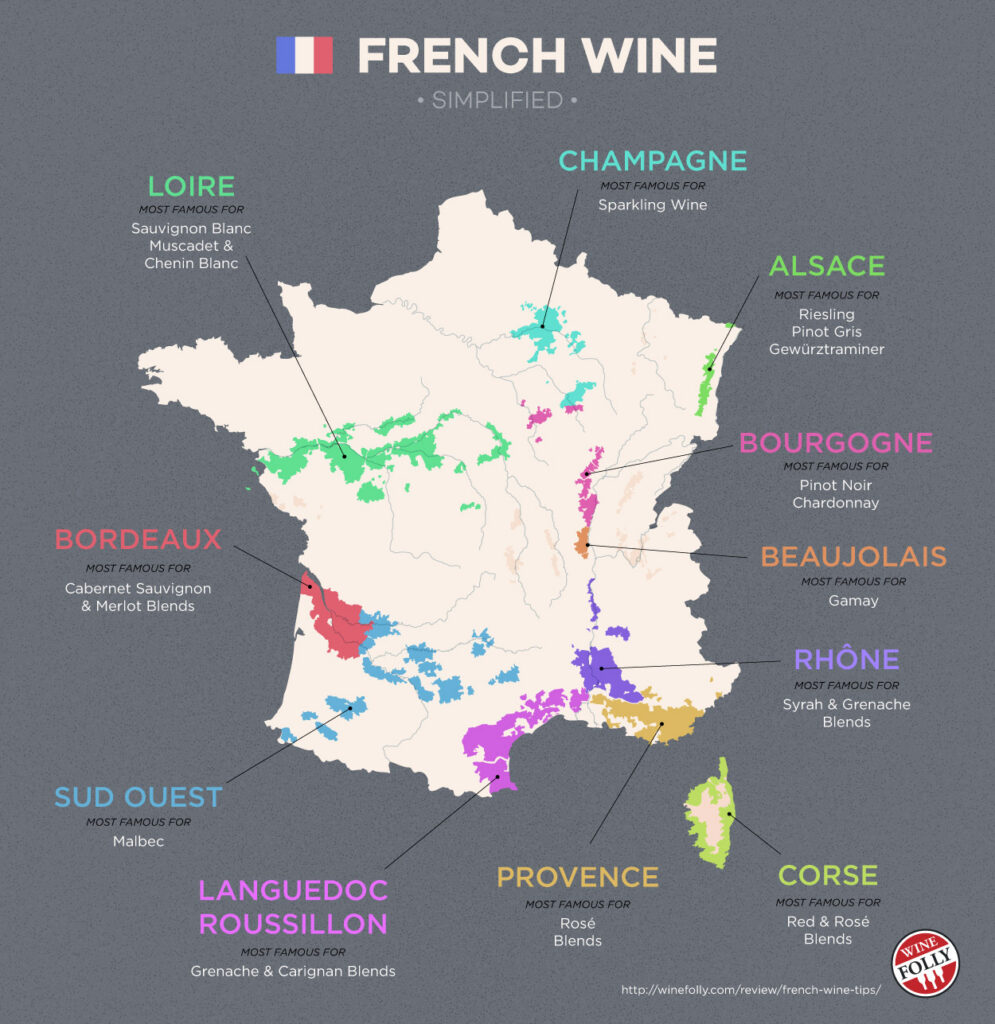
French AOP
This system, which is built on centuries of tradition and strict regulation, is known as the French appellation system.
Wine writer Jancis Robinson often notes that the philosophy behind this structure is simple: where a wine comes from determines how it tastes. Geography, soil, climate, and tradition combine to create what the French call terroir, and this idea sits at the heart of French wine classification.
Understanding the appellation system helps wine lovers read a label and immediately understand the story behind the wine.
The History of the French Appellation System
The origins of the French wine classification system are rooted in crisis rather than prestige.
In the late 19th century, France’s vineyards were devastated by the phylloxera epidemic, a pest that destroyed large portions of the country’s grapevines. In the aftermath, fraudulent wine production surged, with imported wines blended and sold under famous French regional names.
Foundation of the French AOP
By the early 1900s, unrest among winegrowers, particularly in the Languedoc, had reached dangerous levels.
To restore integrity to the market, the French government introduced regulations that eventually became the Appellation d’Origine Contrôlée (AOC) system. The framework was first conceived in 1905 and formally codified in 1935.
Oversight of the system was assigned to the INAO (Institut National de l’Origine et de la Qualité), the regulatory body that still governs French appellations today.
What began as a legal safeguard ultimately evolved into one of the most influential wine classification systems in the world.
The French Wine Classification Pyramid
The French wine classification system can be visualized as a pyramid. As you move up the pyramid, regulations become stricter and geographic definitions become more precise.
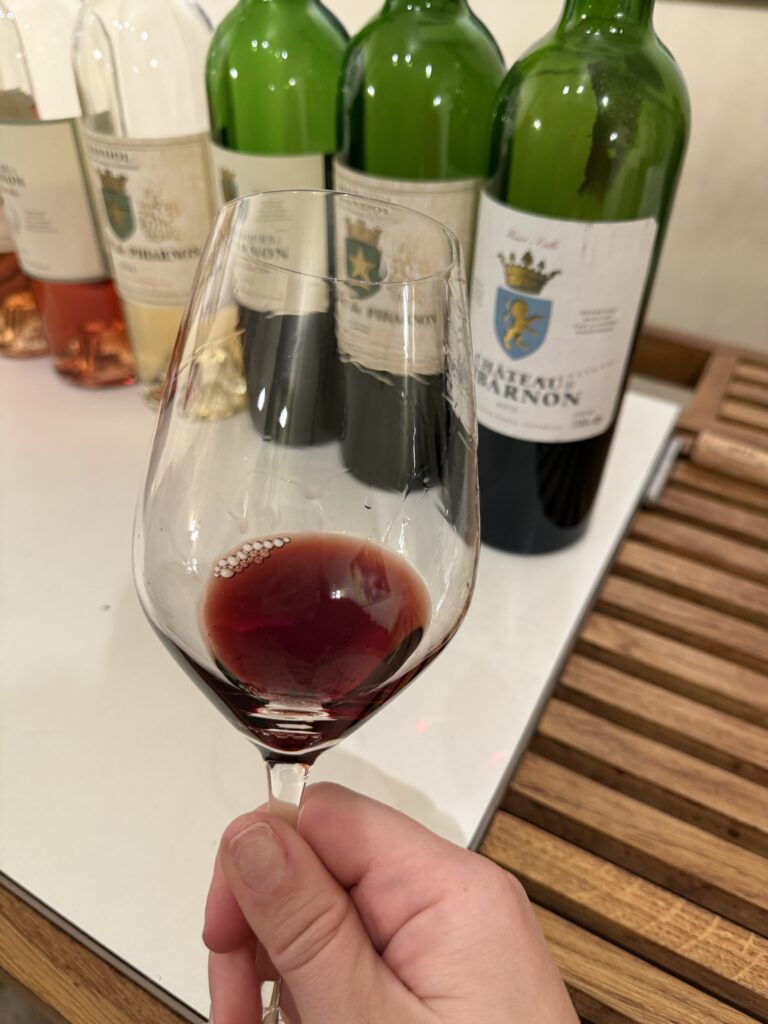
AOP / AOC (Appellation d’Origine Protégée)
The highest tier of French wine classification is AOP, formerly known as AOC.
These wines must come from a precisely defined geographic area and follow strict regulations governing:
- permitted grape varieties
- vineyard yields
- vine planting density
- winemaking techniques
- minimum alcohol levels
- aging requirements
Before release, wines may also be subject to sensory tasting approval to ensure they reflect the expected style of the appellation.
As of 2025, France has over 360 AOP appellations.
IGP (Indication Géographique Protégée)
The middle tier of the classification pyramid is IGP. These wines still come from a specific region, but producers have more flexibility regarding grape varieties and production techniques.
You’ll often see labels like:
- Pays d’Oc IGP
- Val de Loire IGP
While the rules are looser than AOP, quality can still be exceptional. The category allows producers greater freedom to experiment.
Vin de France
At the base of the pyramid is Vin de France. These wines simply need to be produced from grapes grown somewhere in France, without regional restrictions.
This category gives winemakers complete creative freedom. In recent years, some innovative producers, particularly in the natural wine movement, have intentionally chosen Vin de France to avoid appellation rules.
What the French Appellation System Actually Regulates
Within the AOP system, the INAO regulates far more than just geography.
Appellation laws may determine:
- which grape varieties can be grown
- maximum vineyard yields per hectare
- vine density and planting methods
- minimum alcohol levels
- aging requirements and winemaking methods
These regulations exist to preserve what wine critics call typicity. That is, the expectation that wines from a particular region should express the recognizable character of that place.
For example:
- A Sancerre should reflect the flinty soils of the Loire Valley
- A Côte de Nuits Pinot Noir should express Burgundy’s limestone-rich terroir
The appellation system is, in essence, a promise to the consumer.
Appellations Within Appellations: France’s Layered Wine Geography
One of the most fascinating aspects of French wine is how appellations nest within each other, becoming more specific as you move down the geographic hierarchy.
Think of them like Russian nesting dolls.
For example:
- Bordeaux refers to the entire region.
- Médoc narrows the wine to the Left Bank.
- Pauillac identifies a single commune within Médoc.
Burgundy takes this concept even further. Some Grand Cru vineyards represent individual vineyard plots, sometimes only a few hectares in size. Romanée-Conti, one of the world’s most famous vineyards, covers just 1.8 hectares.
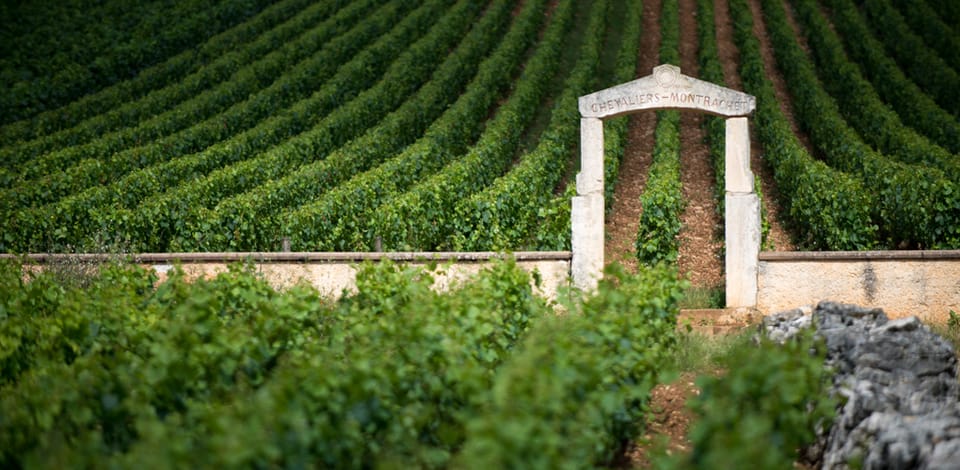
Understanding these nested appellations allows wine lovers to read a label like a map.
The Cru System: A Second Layer of Classification
Some French wine regions add another ranking system on top of appellations: the Cru classification.
You’ll see terms like:
- Grand Cru
- Premier Cru
These labels identify vineyards or estates historically recognized for exceptional quality.
However, the meaning of these classifications varies by region:
- In Champagne, Grand Cru refers to an entire village
- In Burgundy, it refers to a specific vineyard plot
- In Bordeaux, it applies to individual châteaux ranked in historic classifications
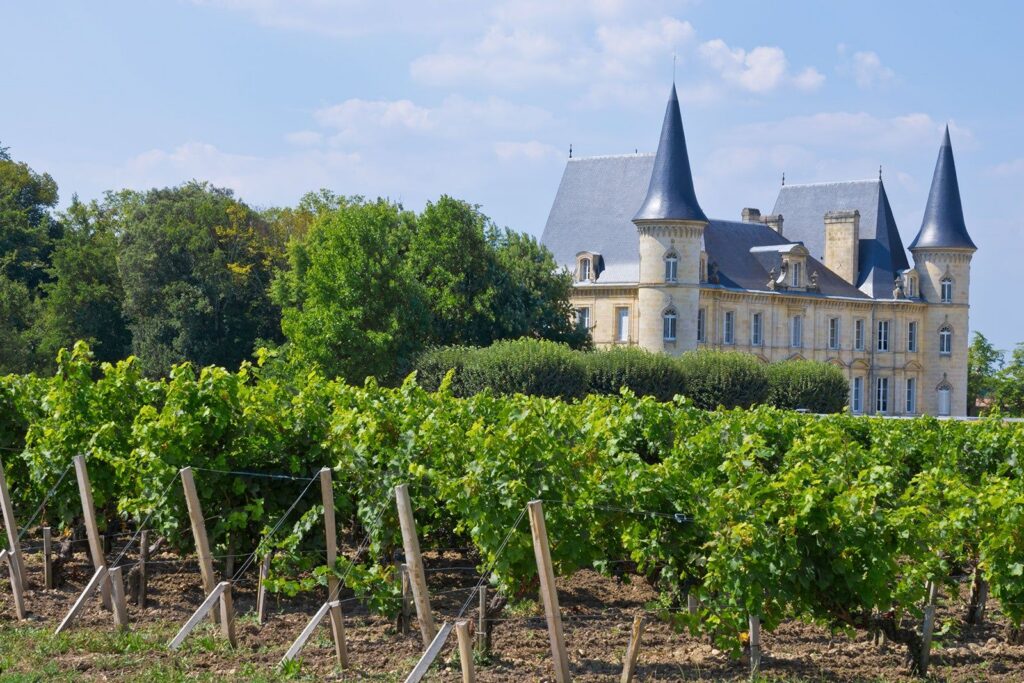
This regional variation is part of what makes French wine both fascinating and complex.
A System Under Pressure
Despite its prestige, the French appellation system has critics.
Some winemakers argue that strict rules limit innovation. Certain producers, especially in the natural wine movement, have chosen to leave the AOP framework entirely, labeling their wines simply as Vin de France.
Climate change is also forcing adaptation. Warmer temperatures are already influencing harvest timing and grape ripening across many regions. Regulators have begun exploring changes to appellation rules, but the pace of regulation often lags behind the speed of environmental change.
Why the French Appellation System Matters for Wine Travelers
For travelers exploring France’s wine regions, the appellation system becomes an invaluable guide. Understanding how appellations work helps you interpret wine lists, choose vineyard visits, and better appreciate what you’re tasting. If you’re interested in turning that knowledge into a real trip, you can read my step-by-step guide on how to plan a trip to Europe around food and wine.
When you visit a cave coopérative in Chablis, a vineyard in Pomerol, or a producer of Crémant d’Alsace you’re not simply tasting wine, you’re tasting the place itself. That, ultimately, is the philosophy behind the French appellation system: understanding the land through the wine in your glass.
Continue Your Journey Into Wine and European Wine Regions
If you enjoy learning about the stories behind great wines, from the history of French appellations to the landscapes that shape each bottle, there is always more to discover.
Every week, I share insights on European wine regions, wine education, and vineyard travel, helping you understand not just what’s in your glass, but the places, people, and traditions that made it possible.
Inside the newsletter, you’ll find:
• Wine education that makes complex regions easier to understand
• Stories from Europe’s most fascinating wine regions
• Travel inspiration for vineyard visits, culinary experiences, and hidden wine destinations
• Practical guidance for planning meaningful food and wine journeys
If you believe the best way to understand wine is to understand the land, culture, and people behind it, I’d love to share the journey with you.
Join the newsletter and explore the world of wine with me → Join the Newsletter
Each email also includes practical insights on wine education, wine travel tips, and how to plan unforgettable visits to Europe’s most iconic wine regions.
Frequently Asked Questions About French Wine Appellation System
AOC stands for Appellation d’Origine Contrôlée, a designation used in France to protect the origin and quality of certain wines. Wines labeled AOC must come from a specific geographic area and follow strict regulations regarding grape varieties, vineyard practices, yields, and winemaking methods.
AOP (Appellation d’Origine Protégée) is the modern European Union term that replaced AOC in official labeling. In practice, many producers and wine professionals still use the term AOC. Both indicate that a wine comes from a protected region and follows strict production standards.
French wine labels usually emphasize region rather than grape variety. The philosophy behind this approach is that terroir — the combination of soil, climate, and geography — shapes the character of the wine. Wine drinkers are expected to understand which grapes are traditionally grown in each appellation.
The French wine classification system has three main tiers:
AOP / AOC – the highest level with strict regulations
IGP (Indication Géographique Protégée) – regional wines with more flexibility
Vin de France – wines with no specific geographic restrictions
Each level reflects different rules around grape varieties, production methods, and regional identity.
Understanding the French appellation system helps wine drinkers interpret a label and predict the style of wine inside the bottle. It also provides insight into the history, geography, and traditions of France’s wine regions, making it easier to explore new wines with confidence.

My clients receive comprehensive destination guides, but I believe great travel inspiration should be shared with everyone. Here you'll find insider tips from my travels, wine region discoveries, and destination highlights that might just inspire your next adventure. Whether you're planning a honeymoon, anniversary trip, or culinary escape, let's explore the world together!
Welcome To My
Home On The Web
A cool, dry wind that flows through France's Rhone Valley towards the Mediterranean Sea. It naturally ventilates vineyards, creating the perfect conditions for exceptional French wines and regional gastronomy.
What is a Mistral Wind?


