
March 1, 2026
Best Family-Run Wineries in Tuscany for an Authentic Vineyard Experience
Tuscany is home to hundreds of wineries, but the most memorable wine experiences happen at family-run estates. If you’re searching for the best family-run wineries in Tuscany to visit, this guide highlights boutique producers in Cortona, Montepulciano, and Montalcino that offer intimate tastings, vineyard lunches, and deeply personal hospitality.
These are places where you might be greeted by the owner, taste wines poured by the winemaker, and linger over lunch overlooking rolling hills. From Brunello di Montalcino to Vino Nobile and Cortona Syrah, these wineries showcase the depth, tradition, and character that define Tuscan wine.
If you’re planning a wine-focused trip to Tuscany and want experiences beyond crowded tour stops, these family-run wineries offer exceptional wines, genuine hospitality, and unforgettable settings.
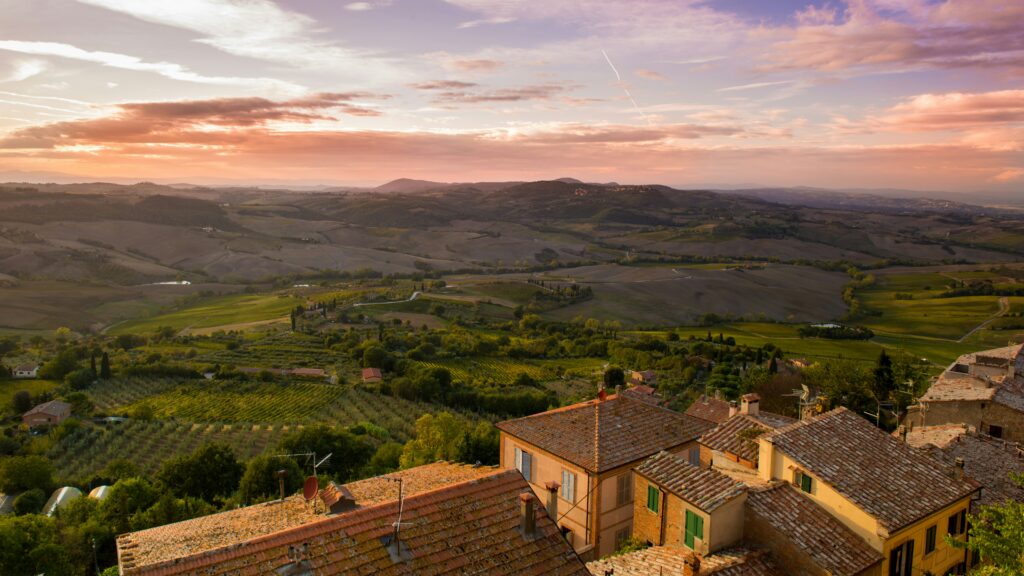
Best Family-Run Wineries in Tuscany at a Glance
- Baracchi Winery — Cortona
- Baldetti Winery — Cortona
- Fabrizio Dionisio — Cortona
- Cantine Dei — Montepulciano
- Avignonesi — Montepulciano
- Boscarelli — Montepulciano
- Poliziano — Montepulciano
- Le Potazzine — Montalcino
These estates are distinguished by their quality, history and genuine hospitality. Each of these wineries offers a personal and meaningful experience, allowing visitors to connect deeply with the spirit and traditions of Tuscan winemaking.
Most wineries in Tuscany welcome visitors by advance appointment only, and the most sought-after family estates often book quickly, particularly during spring and harvest season. A thoughtfully planned itinerary allows you to experience the region at a relaxed pace, typically visiting one or two vineyards per day with time for long lunches, scenic drives, and exploring hill towns along the way.
If you’re dreaming of a wine-focused journey through Tuscany but aren’t sure where to begin, working with a specialist can make all the difference, from securing private tastings to designing a seamless route through the countryside. You can learn more about my custom travel planning services here.
🍇 Family-Run Wineries in Cortona, Tuscany
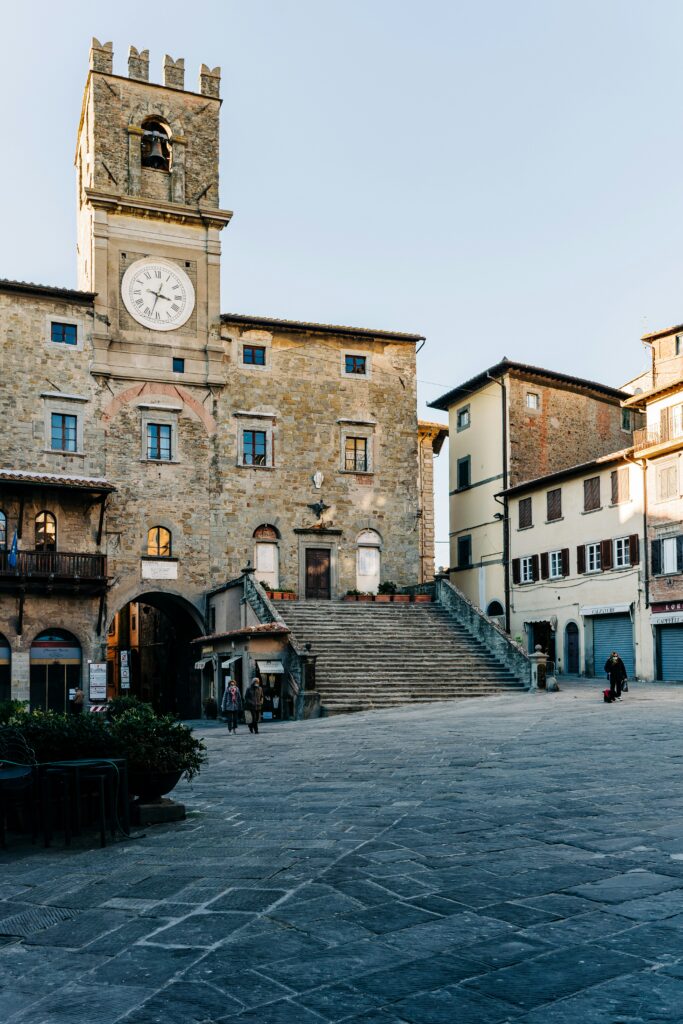
Perched on Tuscany’s eastern edge near the border of Umbria, Cortona is easily reached by train via nearby Camucia and sits about 1.5 hours from Florence. It makes an excellent base for wine lovers who want a quieter, less touristy atmosphere while still being within comfortable driving distance of Montepulciano and the Val d’Orcia.
Baracchi Winery in Cortona
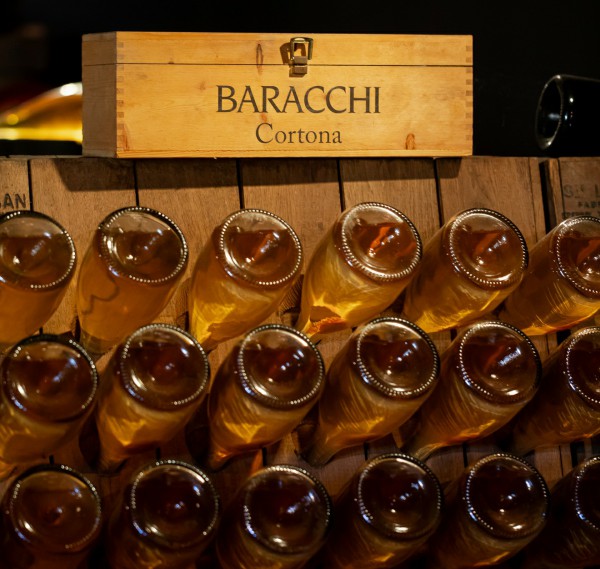
Nestled on a sun-drenched hill overlooking the breathtaking Valdichiana Valley, Baracchi Winery is a five-generation family estate that has been cultivating vines since 1860. Today, father-and-son duo Riccardo and Benedetto Baracchi, in collaboration with renowned oenologist Riccardo Cotarella, blend a passionate reverence for Cortona’s terroir with modern winemaking vision. Their 32 hectares span four distinct DOC Cortona locations, each chosen for its unique combination of altitude, stony soils, and ideal microclimate. They are producing wines ranging from a signature Syrah and Sangiovese to elegant Metodo Classico sparkling wines.
A visit here feels like being welcomed into the family home. Guests can walk the vineyards and olive groves from vine to bottle, explore the cellar, and toast with a sabered sparkling wine before sitting down to a guided tasting. For the most immersive experience, the estate’s Michelin-starred restaurant Il Falconiere offers a three-course lunch with curated wine pairings, which makes for an absolutely unforgettable afternoon in the Tuscan countryside. Private and personalized tastings can be arranged, and the family’s warmth and genuine passion for sharing their story make this one of the most memorable wine experiences in all of Tuscany.
Baldetti Winery in Cortona
The Baldetti name has been woven into the fabric of Cortona’s winemaking culture since the 1960s, when Mario Baldetti began revitalizing the family’s vineyards in the small village of Pietraia. Today, his son Alfonso, along with wife Paola and sons Daniele and Gian Luca, carries that legacy forward with unmistakable pride and dedication. In 2012, the family completed a stunning new winery. This modern landmark quickly became a beloved gathering place for events, seminars, and intimate tastings.
With 15 hectares planted to Syrah, Sangiovese, Merlot, Chardonnay, and Grechetto, Baldetti’s flagship Cortona DOC Syrah “Crano” stands as the jewel of the estate. It’s aged 12 months in barrique and beautifully captures the character of the land. From the 2022 harvest onward, the wines carry SQNPI certification, a meaningful commitment to sustainable viticulture and environmental stewardship.
Guests can book a variety of experiences: a classic 30-minute guided tasting of four wines, a vineyard and cellar tour paired with local cheeses and charcuterie, or the beloved cooking class led by Paola herself — a hands-on pasta-making session that ends with a shared lunch and wine tasting that guests absolutely rave about. The warmth of the Baldetti family shines through in every interaction, making this a true highlight for any visit to the Cortona area.
Fabrizio Dionisio Winery in Cortona
If you’re a lover of great Syrah, Fabrizio Dionisio’s boutique estate at “Il Castagno” is nothing short of a pilgrimage. Located on the rolling hills facing Cortona in the ancient Chiuso della Valdichiana at around 300 meters elevation, this artisanal winery has devoted itself almost exclusively to Syrah since 2000. This variety thrives so remarkably here that Cortona Syrah is widely considered the finest in all of Italy.
The story begins with Fabrizio’s father Sergio, who acquired the Il Castagno property in the early 1970s as a modest country retreat. Fabrizio transformed it into a true atelier of winemaking. Every step from vineyard to cellar is done by hand, with the sole goal of producing wines that faithfully speak of their vintage and terroir. The estate practices near-organic viticulture with strict limitations on chemicals, hand-harvests into small crates, and ferments using native yeasts with no temperature control, allowing nature to guide the process. The resulting wines show extraordinary elegance and precision.
Visits are available by appointment at the family’s 1600s villa, surrounded by woods, vineyards, and olive trees just five minutes from Cortona’s center. Guests are invited to taste three Syrah wines in an intimate, unhurried setting. This is an experience as genuine and quietly magnificent as the wines themselves.
Best Family-Run Vineyards in Montepulciano, Tuscany
Set high above the rolling landscapes of southern Tuscany, Montepulciano lies about 1.5–2 hours from Florence and just over an hour from Siena. Its central location makes it ideal for exploring the celebrated wine regions of the Val d’Orcia, including nearby Pienza and Montalcino, while enjoying a classic hill-town setting.
Cantine Dei Winery in Montepulciano, Tuscany
The story of Cantine Dei begins in 1964, when patriarch Alibrando Dei made a visionary decision: to purchase the Bossona lands outside Montepulciano and plant the family’s first vineyard. It proved to be an extraordinary choice of terroir. The estate expanded through the 1970s with the acquisition of Villa Martiena and its surrounding vineyards. Then in 1985 a landmark vintage was realized, from which the first bottle of Vino Nobile di Montepulciano signed by the Dei family was released.
Today the estate is guided by Alibrando’s granddaughter Caterina Dei, who grew up breathing the scent of the Montepulciano countryside and, in the early 1990s, made the decision to dedicate herself entirely to the vineyards and the winery her grandfather built. Her focus has always been clear: to produce elegant, terroir-expressive wines that honor native varietals and the irreplaceable identity of this historic land. The portfolio includes their revered “Bossona” Riserva, the “Madonna della Querce” Vino Nobile, Rosso di Montepulciano, Vin Santo, and even extra virgin olive oil. You can experience a full expression of the estate’s agricultural soul.
What makes a visit to Cantine Dei so special is the sense that you are being welcomed into a chapter of this loving family.
Avignonesi Winery in Montepulciano, Tuscany
Avignonesi is one of Tuscany’s most exciting and soulful estates. It’s a place where biodynamic farming, extraordinary hospitality, and decades of winemaking heritage come together in a truly unforgettable way. The estate traces its roots to the noble Avignonesi family of the 16th century; the modern chapter began in 1974, and in 2009 it was purchased by Belgian entrepreneur Virginie Saverys, who fell completely in love with Montepulciano and transformed Avignonesi into Italy’s largest certified biodynamic winery.
Spread across 175 hectares between Montepulciano and Cortona, the estate is a living, breathing ecosystem. Geese roam the vineyard rows to manage weeds naturally, saffron and irises grow alongside the vines, and every grape is farmed without pesticides or herbicides. The flagship Vino Nobile di Montepulciano and the legendary Occhio di Pernice Vin Santo are wines of genuine rarity and beauty.
For visitors, Avignonesi offers some of the most immersive wine experiences in all of Tuscany: farm-to-table lunches, cooking classes with local pasta and seasonal ingredients from the estate’s own gardens, harvest experiences, and guided vineyard and cellar tours. The warm team and glass-walled dining room with rolling vineyard views make this a destination unto itself. Book your experience in advance and plan to linger.
Boscarelli Winery in Montepulciano, Tuscany
Poderi Boscarelli is one of the most quietly exceptional family wineries in Montepulciano, consistently producing what many critics consider the finest Vino Nobile in the appellation. The estate was founded in 1962 when Egidio Corradi, a Genoese grain broker with deep roots in this land, purchased two semi-abandoned farms in Cervognano di Montepulciano. His daughter Paola and her husband Ippolito De Ferrari transformed those farms into a true winery, planting specialized vineyards and renovating the old stables into a working cellar.
When Ippolito passed away unexpectedly in the early 1980s, Paola took the helm alone, raising her sons Luca and Nicolò alongside the vines. Today, the third generation, Luca and Nicolò De Ferrari, leads the estate with the same passion and commitment to excellence that has defined Boscarelli for over 60 years. Situated on the northeastern corner of Montepulciano, the estate’s 22 hectares produce wines of singular elegance and character. Sangiovese dominates 80% of plantings, with native varieties Mammolo, Canaiolo, and Colorino rounding out the portfolio.
The winery is open for visits by appointment. If you have the chance to sit with Luca or Nicolò and taste through the range, from their classic Vino Nobile to the single-vineyard “Nocio” and precious Vin Santo, you will come away understanding exactly why Boscarelli has earned such an enduring place at the top of Montepulciano’s wine world.
Poliziano Winery in Montepulciano, Tuscany
Founded in 1961 by Dino Carletti, who purchased the first 22 hectares out of love for his native Montepulciano, Poliziano has grown into one of the region’s most respected and celebrated estates. The name itself is a tribute to the place. Poliziano is what you call a native of Montepulciano, most famously the 15th-century humanist poet Angelo Ambrogini, whose name graces the winery’s iconic label.
It was Dino’s son Federico who truly elevated Poliziano to greatness. An agronomist by training and a farmer by heart, Federico took over in the late 1970s and dedicated himself to a single, unwavering philosophy: great wine begins in the vineyard. Under his stewardship, the estate has grown to 170 hectares, with organic certification achieved in 2021. Today, Federico’s children Francesco and Maria Stella have joined as essential advisors, and the Carletti family’s passion for the land and its wines pulses through every bottle. Their two iconic single-vineyard Vino Nobile — Asinone and Le Caggiole — represent some of the most compelling expressions of Prugnolo Gentile you will ever encounter.
Poliziano welcomes visits, and an afternoon with the Carletti family exploring these extraordinary vineyards and tasting wines that have been shaped by three generations of passion is an experience that will stay with you long after you return home.
Best Family-Run Winery to Visit in Montalcino (Home of Brunello)
Rising from the heart of the UNESCO-listed Val d’Orcia, Montalcino is about 2 hours south of Florence and roughly 45 minutes from Siena. A car is essential here, but the reward is access to one of Italy’s most breathtaking wine landscapes. This is a region defined by sweeping views, medieval villages, and the world-renowned Brunello vineyards.
Le Potazzine Winery in Montalcino
Of all the Brunello estates I could point you to, Le Potazzine is a must-visit. It was founded in 1993 by Montalcino native Gigliola Giannetti, a woman who grew up on the legendary Argiano estate. She worked for the great Franco Biondi Santi, and then summoned the courage and determination to build something entirely her own from scratch. This small, five-hectare estate is a testament to grit, love, and extraordinary terroir.
Potazzine is the local term for “little birds,” a nod both to the charming label and to a term of endearment for children. Today Gigliola runs the estate alongside her daughters Viola and Sofia, and their hands-on, artisanal approach to winemaking is evident in every bottle. Their vineyards sit among the highest plots in the entire Brunello appellation, which gives the wines a remarkable freshness, finesse, and aromatic vibrancy that critics and collectors have noted.
Their winemaking philosophy is deeply traditional and almost poetically simple: long spontaneous fermentations lasting up to 42 days using only native yeasts. Then there is extended aging in large Slavonian oak casks with no filtration. The result is a Brunello of purity and elegance that beautifully reflects both the place and the vintage. The estate also produces a lovely Rosso di Montalcino and a Riserva in exceptional years.
Visits to Le Potazzine are a genuinely moving experience. Intimate, personal, and infused with the passion of a family who gave everything to build something wonderful in this extraordinary corner of Tuscany.
Where to Stay in Tuscany for a Wine-Focused Trip
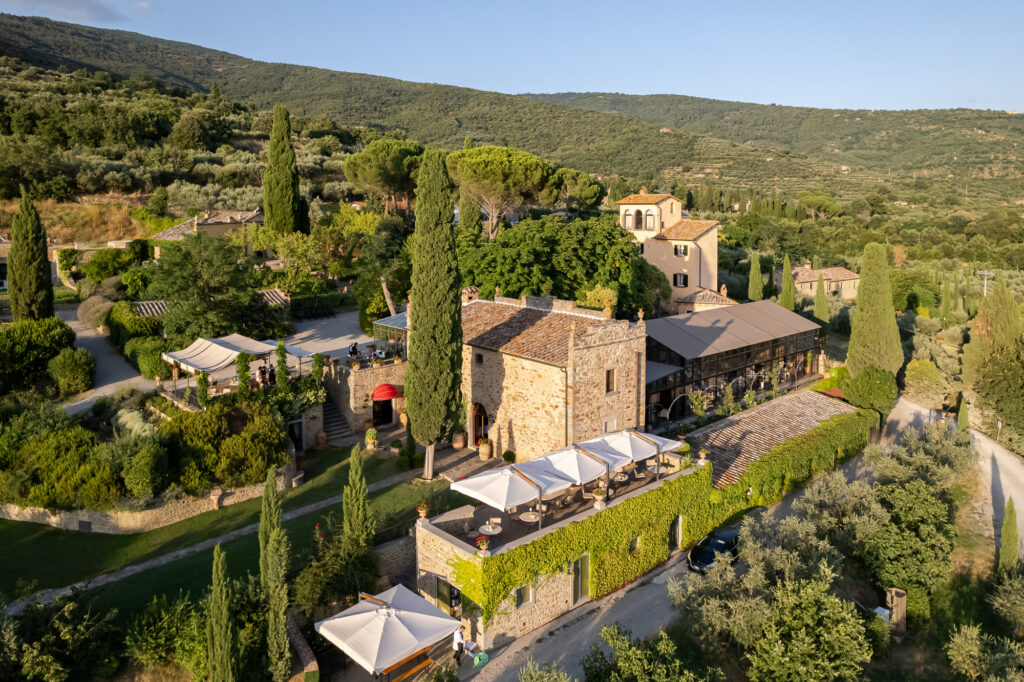
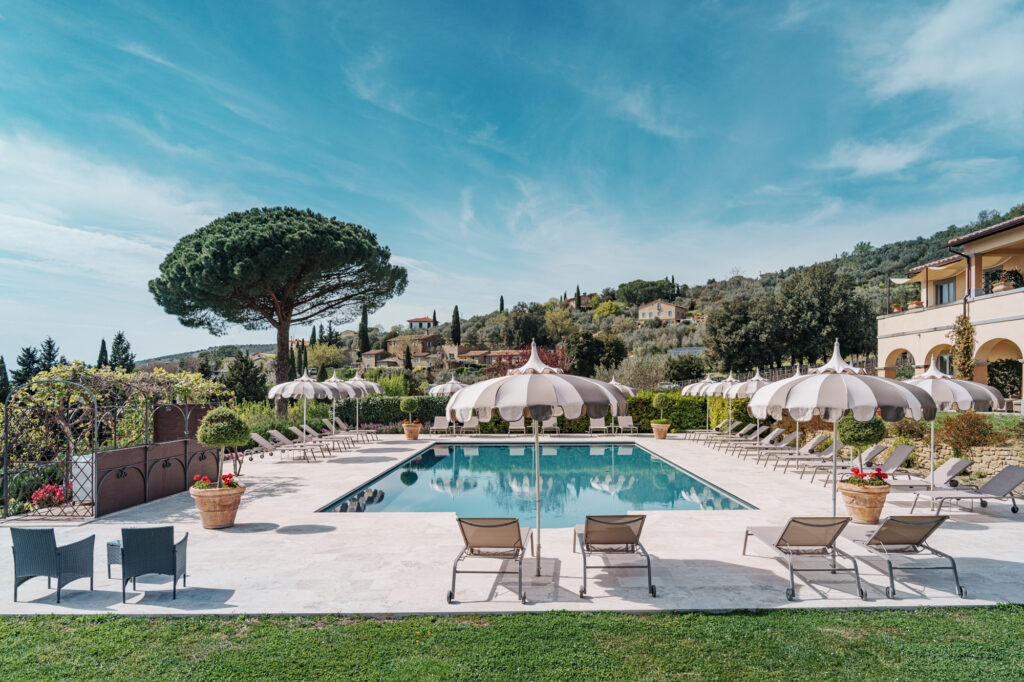
Il Falconiere Relais & Spa in Cortona
You might remember this as the name of the Michelin-starred restaurant at the Baracchi Winery outside Cortona, and you would be correct (and have a great memory!). Il Falconiere is also the name of their Relais & Chateaux property, one of the top recommendations for each of my clients visiting Tuscany.
This is a stunning 17-Century villa that’s been transformed into a residence where you can relax and breathe in the beautiful Tuscan air. Each guest room and suite (only 31 in total) is uniquely decorated in a truly Tuscan style.
The Michelin-starred restaurant is housed in the ancient lemon house of Villa Baracchi, where you’ll have dinner on a panoramic terrace overlooking Cortona and the beautiful Tuscan hills.
How To Plan a Tuscany Wine Tasting Itinerary
Planning a Tuscany wine tasting itinerary requires more intention than simply mapping a few wineries and heading into the countryside. The region is expansive, winery visits are almost always by appointment, and distances between estates can be longer than they appear on a map.
The most memorable wine journeys in Tuscany are unhurried. They allow time to savor each tasting, enjoy a leisurely lunch, and appreciate the beauty of the landscape between stops. Whether you’re focusing on Brunello in Montalcino, Vino Nobile in Montepulciano, or Syrah in Cortona, thoughtful pacing is what transforms a wine trip into an experience.
Below are a few essential considerations when planning your Tuscany wine itinerary.
How Many Wineries Should You Visit Per Day?
For a well-paced Tuscany wine tasting day, one to two wineries is ideal.
While it may be tempting to schedule three or four visits, most family-run wineries offer immersive tastings that last 90 minutes to two hours. Many include vineyard walks, cellar tours, or seated guided tastings. Adding a long lunch — which is part of the experience in Italy — quickly fills the day.
Visiting one winery in the late morning followed by a relaxed lunch, or scheduling a morning and mid-afternoon tasting, allows you to fully engage without feeling rushed. Tuscany rewards slow travel, and your wine experiences should reflect that rhythm.
Do You Need Reservations for Tuscany Wineries?
Yes, reservations are essential.
Unlike tasting rooms in New World regions, most wineries in Tuscany do not accept walk-ins. Visits are typically by advance appointment only, particularly at smaller family-run estates.
Booking ahead ensures:
- A private or semi-private tasting experience
- Time with a knowledgeable host
- Availability during busy seasons like May, June, and harvest (September–October)
The most sought-after wineries often book out weeks in advance during peak travel months. Planning early allows you to secure meaningful visits rather than settling for what remains available.
Should You Hire A Driver for Wine Tasting in Tuscany?
In most cases, yes, especially if you plan to visit multiple wineries in one day.
Tuscany’s wine regions are rural, with winding country roads and limited public transportation. While renting a car provides flexibility, hiring a private driver offers several advantages:
- You can relax and fully enjoy each tasting.
- Drivers often know the region well and can assist with timing and logistics.
- You avoid navigating narrow vineyard roads after consuming wine.
For travelers staying within walking distance of a single winery or planning only one visit, self-driving may be manageable. However, for a curated day across multiple estates, a private driver elevates the experience significantly.
When to Plan Your Tuscan Wine Trip
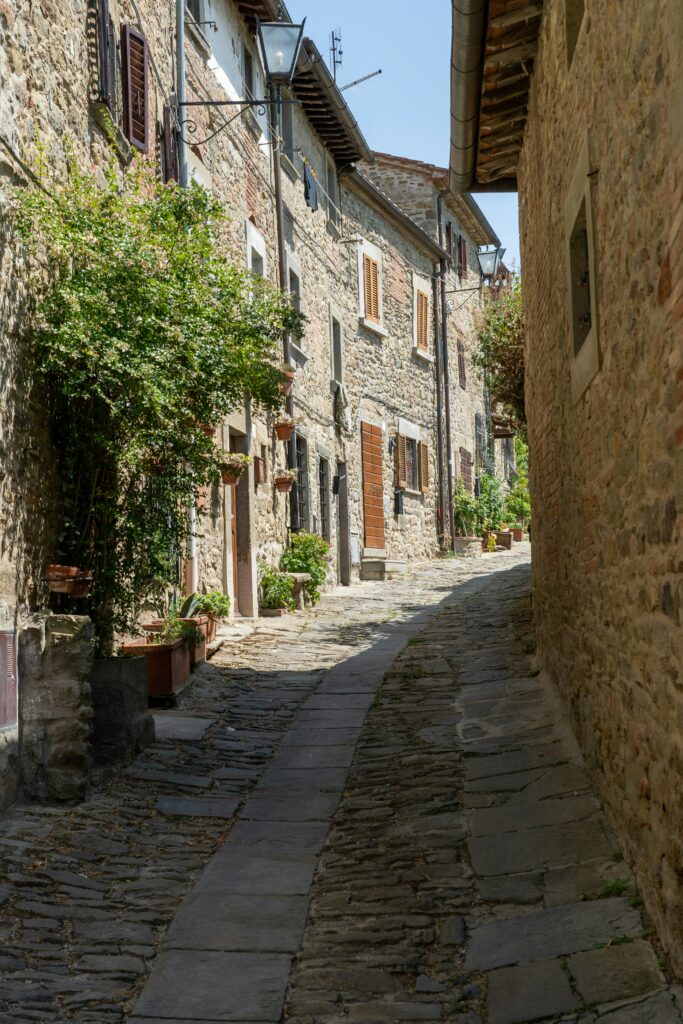
Late spring (May–June) and early fall (September–October) are widely considered the best times to visit Tuscany for wine tasting. Spring offers lush green landscapes and mild weather, while harvest season brings energy and activity to the vineyards.
Summer is beautiful but warmer and busier. Winter can be wonderfully peaceful, though some wineries operate on reduced schedules.
While travel to Tuscany during harvest season seems like it might be perfect, I would caution again this time of the year. Unless you already have established relationships with winemakers in the region it can be difficult to find wineries and vineyards that remain open for visitors when they’re busy with the labor of harvest.
Planning a Tuscan Wine Journey
Designing a seamless Tuscany wine tasting itinerary involves more than selecting wineries. It requires thoughtful pacing, advance coordination, and an understanding of how the regions connect.
When carefully planned, your days unfold naturally: a vineyard walk in the morning light, a long countryside lunch, and an afternoon tasting overlooking rolling hills. That is the rhythm that makes wine travel in Tuscany unforgettable.
If you’re researching the best wineries in Tuscany and wondering how to turn this into a seamless itinerary, thoughtful planning makes all the difference.
Ready to Experience Tuscany for Yourself?
If you’re planning a wine-focused trip to Tuscany, I specialize in designing private, immersive experiences at estates like these.
Reading about these incredible family estates is one thing, planning all of it is quite another. You want to be standing in a sun-drenched vineyard, glass in hand, with the rolling hills of Tuscany stretching out before you, and that is exactly the kind of travel I love planning. I would be so honored to help make it happen for you.
From coordinating private tastings at boutique estates like Le Potazzine to arranging a long lunch at Baracchi’s Michelin-starred Il Falconiere, I handle every detail so you can simply show up, sip, and soak it all in. Whether you’re dreaming of a romantic wine escape for two, a milestone celebration with close friends, or a multi-generational family adventure through the Tuscan countryside, I’ll build an itinerary that feels personal, unhurried, and completely tailored to you.
When you’re ready to start turning this dream into a real trip, I’d love to hear from you. You can learn more about my travel services here, or jump straight into the planning process by filling out a trip inquiry form.
Not quite ready to plan but don’t want to miss out? Sign up for my weekly newsletter for wine travel inspiration, destination guides, and insider tips delivered straight to your inbox. And of course, come follow along on Instagram for a little taste of the good life while you daydream. Tuscany will still be there when you’re ready, and so will I.
Frequently Asked Questions
Some of the most beloved family-run wineries in Tuscany include Baracchi Winery and Baldetti in Cortona, Boscarelli and Poliziano in Montepulciano, and Le Potazzine in Montalcino. Each offers an intimate, authentic experience rooted in generations of winemaking tradition.
The three standout regions for wine lovers are Cortona, Montepulciano, and Montalcino — each producing distinct, world-class wines from Syrah and Sangiovese to the legendary Brunello and Vino Nobile.
Vino Nobile di Montepulciano is a Tuscan red wine made primarily from Sangiovese (locally known as Prugnolo Gentile), produced in the hilltop town of Montepulciano. It is one of Italy’s oldest and most celebrated DOCGs, known for its elegance and complexity.
Brunello di Montalcino is widely considered one of Italy’s greatest red wines, made exclusively from Sangiovese Grosso in the Montalcino appellation. It is known for its remarkable aging potential, depth, and ability to beautifully reflect its terroir.
Absolutely! Many family-run estates welcome private visits by appointment, offering a far more personal and unhurried experience than a group tour. As a wine-focused travel advisor, I can arrange exclusive tastings, cellar tours, and winery lunches tailored specifically to you.
Tuscany is a year-round destination, but the most popular seasons for wine travel are late spring (May–June) and early fall (September–October). Spring brings lush green landscapes, wildflowers, and pleasant temperatures, while harvest season offers a vibrant atmosphere as vineyards buzz with activity.
Summer can be beautiful but hot and crowded, particularly in July and August, while winter provides a quieter, more intimate experience with fewer visitors. However, some wineries operate on reduced schedules due to the work of harvest. For the ideal balance of scenery, availability, and comfortable weather, late May, June, and late September are especially magical times to visit.

My clients receive comprehensive destination guides, but I believe great travel inspiration should be shared with everyone. Here you'll find insider tips from my travels, wine region discoveries, and destination highlights that might just inspire your next adventure. Whether you're planning a honeymoon, anniversary trip, or culinary escape, let's explore the world together!
Welcome To My
Home On The Web
A cool, dry wind that flows through France's Rhone Valley towards the Mediterranean Sea. It naturally ventilates vineyards, creating the perfect conditions for exceptional French wines and regional gastronomy.
What is a Mistral Wind?


